
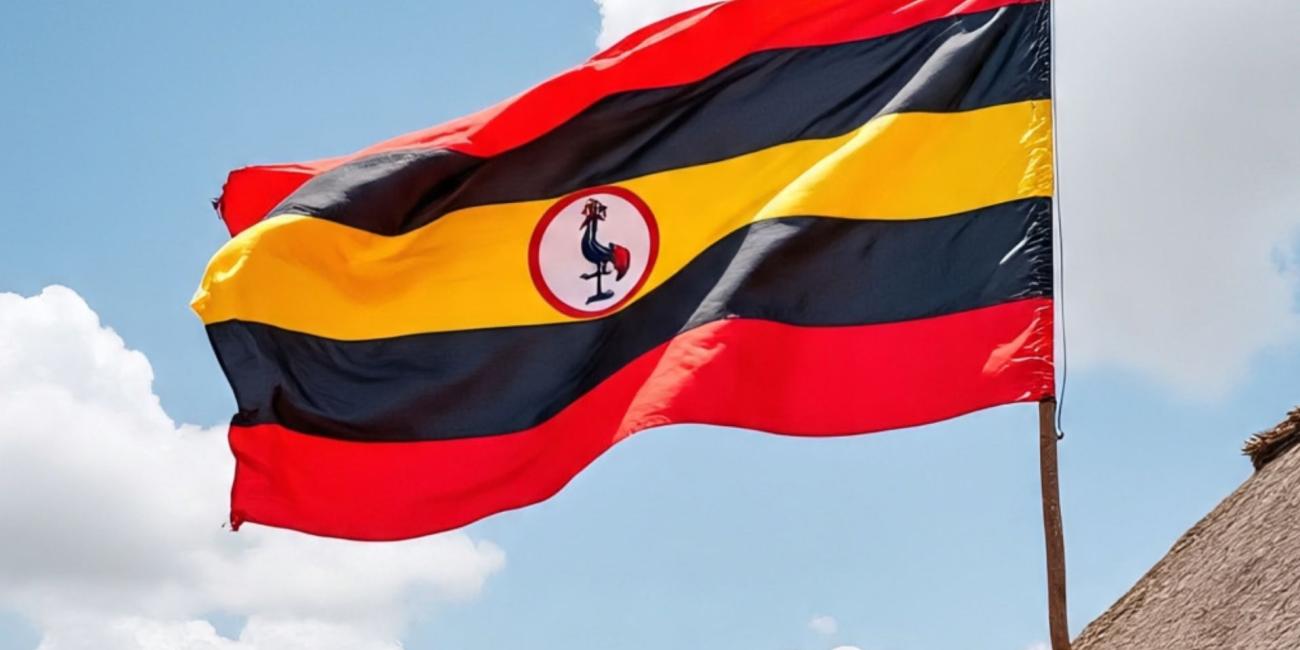
Uganda President: Move Sparks Fresh Debate Over Democracy, Term Limits And Political Succession In Uganda
Uganda’s long-serving President, Yoweri Museveni, has formally declared his intention to seek a seventh term in office, a move that could extend his rule beyond four decades if successful.
Museveni, who is 81 years old, has governed Uganda since 1986, making him one of Africa’s longest-serving leaders. His latest ambition follows earlier constitutional amendments that removed both presidential term limits and age restrictions, clearing the path for him to remain in power indefinitely.
According to reports, the veteran leader will once again contest under the ruling National Resistance Movement (NRM) party, which has dominated Uganda’s political landscape for decades.
Museveni’s renewed bid has reignited debate across Uganda and beyond, with opposition figures and civil society organisations warning that prolonged leadership has weakened democratic institutions.
Prominent among Museveni’s challengers is opposition leader and musician-turned-politician Robert Kyagulanyi, popularly known as Bobi Wine, who enjoys strong support among Uganda’s youthful population.
Human rights groups have repeatedly accused the Ugandan government of crackdowns on opposition activities, restrictions on media freedom, and intimidation of political rivals, especially during election periods.
Despite concerns over governance and human rights, Uganda remains a key strategic ally to Western nations due to its role in regional security, peacekeeping missions, and hosting millions of refugees from neighbouring countries.
Analysts believe Museveni’s continued grip on power reflects a broader trend in parts of Africa, where incumbents amend constitutions to extend their stay in office.
As the election approaches, observers say the political atmosphere in Uganda is likely to become increasingly tense, with the outcome expected to shape the country’s future democratic direction.
Read also Uganda Shuts Down Internet, Suspends SIM Registration Ahead of 2026 Presidential Election


1 thought on “81-Year-Old Ugandan President Museveni Seeks Seventh Term After 40 Years In Power”
Comments are closed.