FCT Indigenes Raise Alarm Over Demolition of Sacred Sites in Abuja
iIndigenous communities in the Federal Capital Territory (FCT) have raised serious concerns over what they describe as decades of displacement, cultural erasure, and destruction of ancestral heritage in the course of Abuja’s development.
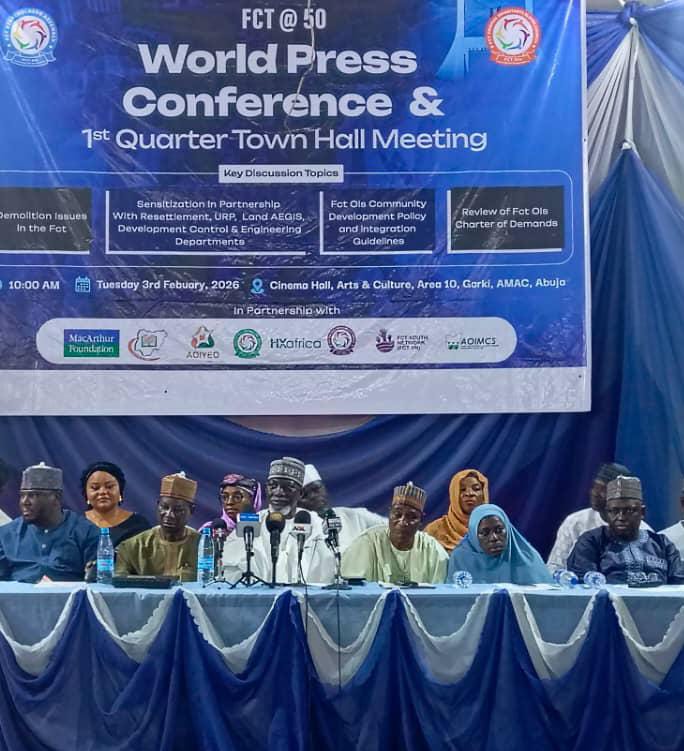
Speaking at a press briefing in Abuja, members of the FCT Stakeholders’ Assembly accused the Federal Government of prioritising urban expansion over the rights and history of the territory’s original inhabitants. They alleged that the construction of the nation’s capital has led to the demolition of homes, seizure of ancestral lands, and destruction of sacred sites, including graveyards, shrines, forests, and waterways.
The president of the assembly, Aliyu Daniel Kwali, said many indigenous communities have suffered forced evictions without adequate notice, compensation, or resettlement. According to him, several areas such as Gishiri, Karsana, and Kuchibedna have witnessed repeated demolitions that have disrupted livelihoods and displaced families who have lived on the land for generations.
The indigenes noted that beyond physical displacement, indigenous people of the FCT have continued to face political exclusion and socio-economic marginalisation, despite being the original owners of the land on which Abuja was built. They argued that these challenges have worsened over the years, even as the city approaches 50 years since its creation.
The assembly called on the Federal Government to immediately halt demolitions affecting indigenous communities, protect ancestral burial grounds and cultural landmarks, and recognise customary land rights in all development plans within the FCT. They also demanded inclusive dialogue and meaningful participation of indigenous stakeholders in decision-making processes concerning land use and urban development.
They warned that continued disregard for indigenous rights could deepen tensions and undermine efforts toward sustainable and inclusive development of the nation’s capital.
Read also FCT Indigenes to Honour Wike With Infrastructure Award