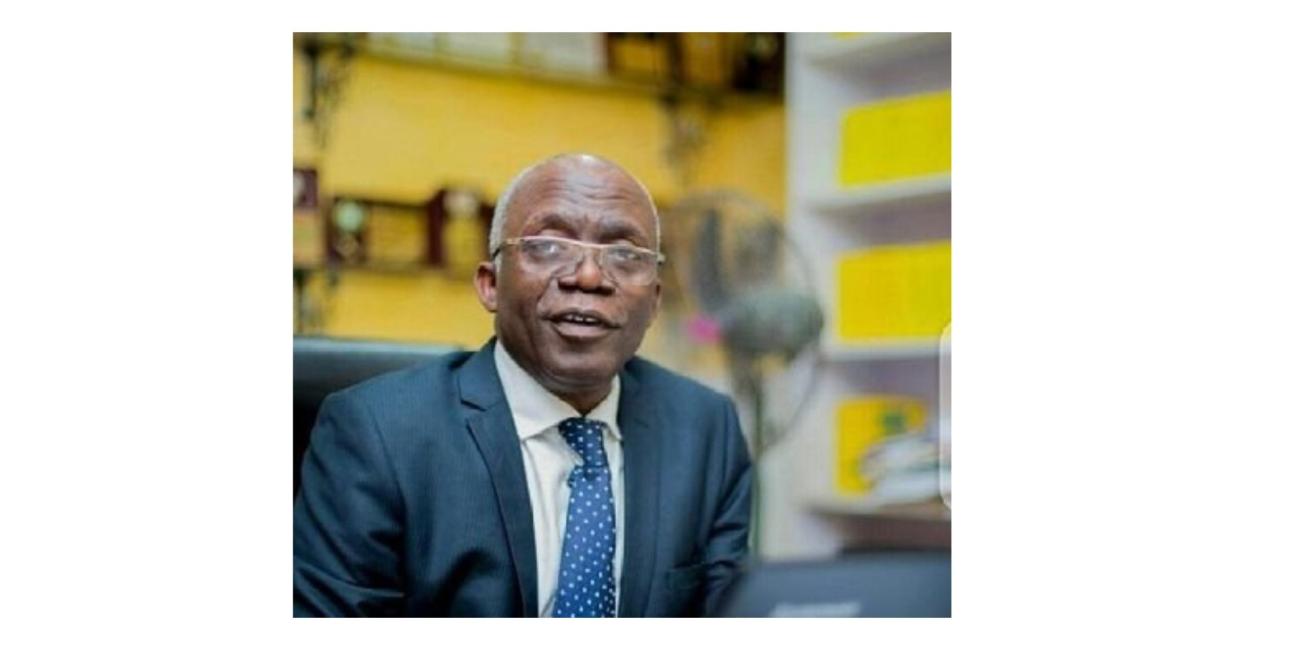
Rights lawyer Femi Falana and political analyst Jibrin Ibrahim insist Nigeria can defeat insurgency through domestic capacity while urging transparency in any partnership with the United States.
Senior advocates Femi Falana and policy analysts have raised fresh concerns over reports of possible American military involvement in Nigeria’s counter-terror operations, warning that such a move could undermine the nation’s independence and long-term security architecture.
Human rights lawyer cautioned that inviting foreign troops, even for advisory roles, risks opening the door to external influence over domestic affairs. According to him, Nigeria possesses the manpower and institutional capacity to defeat insurgent groups if the right investments are made in training, welfare, and accountability within the armed forces.
Political scientist echoed similar sentiments, stressing that questions of sovereignty must remain paramount. He argued that security partnerships should be transparent and subjected to democratic oversight, particularly by the National Assembly, to avoid arrangements that could weaken Nigeria’s control over its territory.
The debate follows discussions around expanded cooperation between and in tackling extremist threats. Supporters of collaboration say technical assistance, intelligence sharing, and specialised training could strengthen ongoing efforts against insurgency. Critics, however, insist that reliance on foreign boots on the ground — no matter how limited — may create political and legal complications.
Security remains a dominant issue for residents of the Federal Capital Territory and neighbouring states, where policymakers are under pressure to produce lasting solutions. Analysts say the controversy highlights a wider national conversation: how to balance international cooperation with the protection of Nigeria’s sovereignty.
As the discussion continues, many observers agree on one point — Nigerians want improved safety, but they also want decisions taken firmly in the country’s own interest.
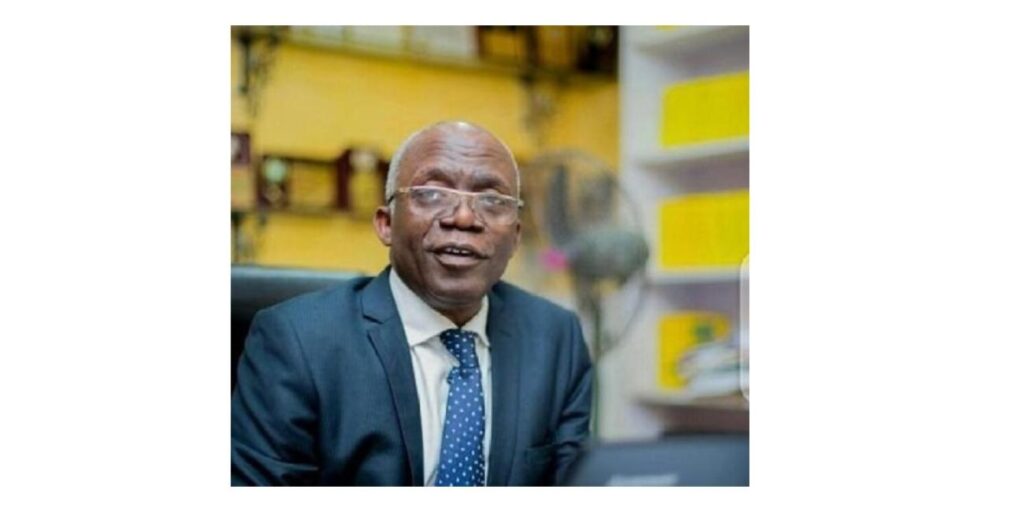
Read also Falana, Jibrin Ibrahim Warn U.S. Troop Presence Could Undermine Nigeria’s Sovereignty

1 thought on “Falana, Jibrin Ibrahim Warn U.S. Troop Presence Could Undermine Nigeria’s Sovereignty”
Comments are closed.