Emir of Kano questions continued borrowing, demands accountability as Nigerians grapple with economic reforms
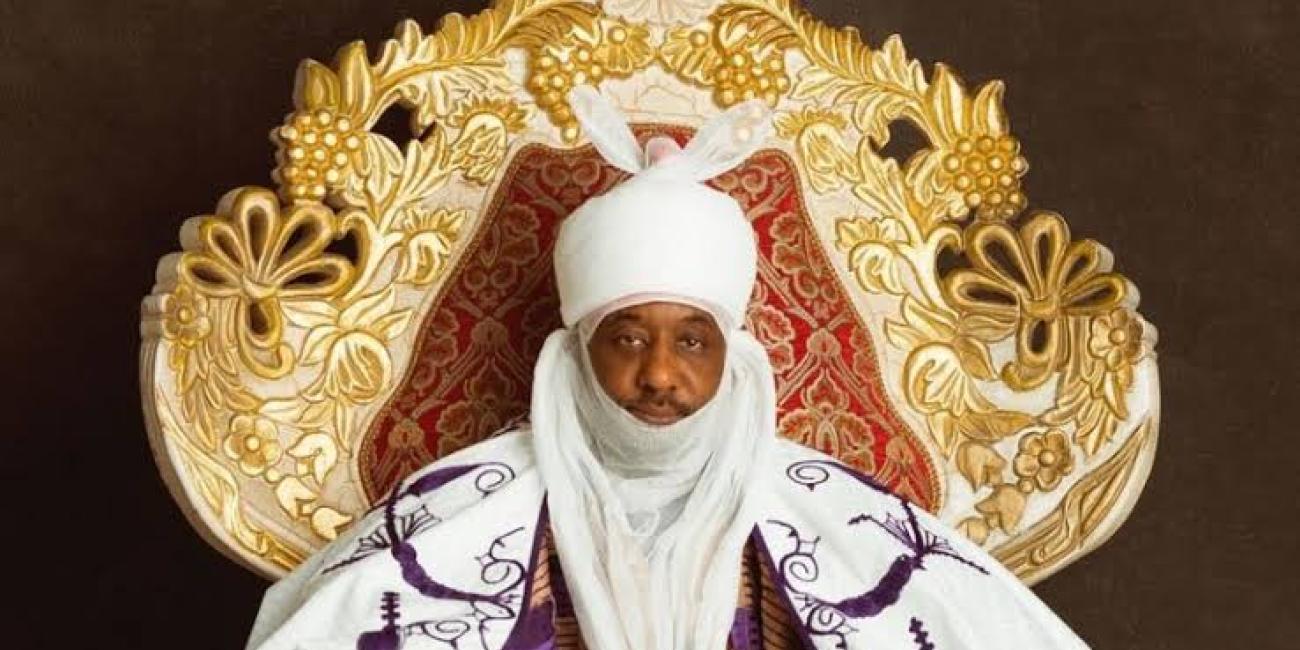
The Emir of Kano, Muhammadu Sanusi II, has raised fresh concerns over Nigeria’s rising debt profile, questioning why the federal government continues to borrow despite the removal of fuel subsidy.
Speaking amid ongoing economic reforms under President Bola Ahmed Tinubu, Sanusi noted that the elimination of fuel subsidy was widely expected to ease fiscal pressure and free up funds for national development. However, he expressed worry that the anticipated financial relief has not translated into reduced borrowing.
According to the former Central Bank governor, while he supports key reforms such as subsidy removal and exchange rate unification, the continued reliance on loans raises critical questions about fiscal discipline and resource management. He stressed that borrowing in itself is not necessarily harmful, but must be tied to productive investments that deliver visible benefits to citizens.
Sanusi further pointed out that the timing and sequencing of the government’s economic policies may have contributed to current challenges. He argued that implementing multiple reforms simultaneously—without adequate monetary tightening—has placed additional strain on the economy, including pressure on the naira.
His remarks come at a time when many Nigerians are facing increased living costs following subsidy removal, with expectations that savings from the policy would be redirected into infrastructure and social development.