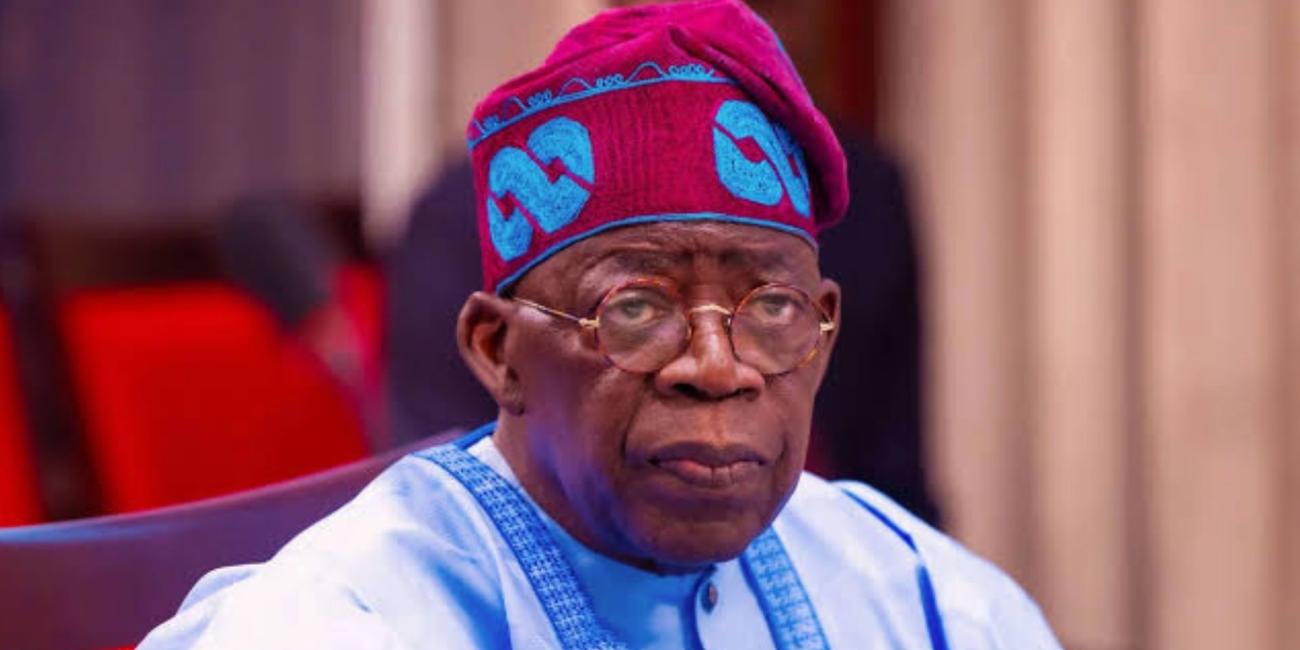
President Bola Tinubu reportedly refused to receive a special envoy from South African President Cyril Ramaphosa over renewed xenophobic attacks targeting Nigerians, directing the delegation to engage with the Minister of Foreign Affairs instead.
President Bola Ahmed Tinubu has reportedly declined to receive a special delegation from South Africa following renewed xenophobic attacks on Nigerians, instead directing the envoys to hold discussions with Nigeria’s Minister of Foreign Affairs.
The South African delegation, reportedly sent by President Cyril Ramaphosa, arrived in Abuja to deliver an official message aimed at addressing growing diplomatic concerns arising from recent attacks on Nigerian citizens and their businesses in South Africa.
However, President Tinubu reportedly chose not to grant the delegation an audience, a move widely interpreted as a strong diplomatic signal reflecting Nigeria’s dissatisfaction with the recurring xenophobic violence against its citizens.
The delegation was subsequently received by the Minister of Foreign Affairs, who reiterated Nigeria’s concerns over the safety and protection of Nigerians residing in South Africa. The minister also emphasized the need for South African authorities to take decisive action to end the repeated attacks and ensure those responsible are brought to justice.
The development comes amid heightened tensions following reports of fresh attacks on Nigerians living in South Africa, sparking outrage across Nigeria and renewed calls for stronger diplomatic measures to safeguard citizens abroad.
Nigeria and South Africa maintain one of Africa’s most significant bilateral relationships, with cooperation spanning trade, investment, security, and regional diplomacy. However, recurring xenophobic incidents have continued to strain relations between both countries despite several diplomatic interventions over the years.
Observers say President Tinubu’s decision to delegate the meeting underscores Nigeria’s demand for concrete action rather than diplomatic assurances, urging South African authorities to implement effective measures that guarantee the safety of Nigerians and other foreign nationals living in the country.
The Federal Government is expected to continue engaging South African authorities through diplomatic channels while monitoring the situation and advocating for the protection of Nigerians residing, working, and conducting legitimate businesses in South Africa.
Read also South Africa Mourns as 13 School Pupils Die in Tragic Bus Crash