Tehran Announces Official Mourning Period as Regional Tensions Escalate Across the Middle East as Iran confirms Khamenei’s death
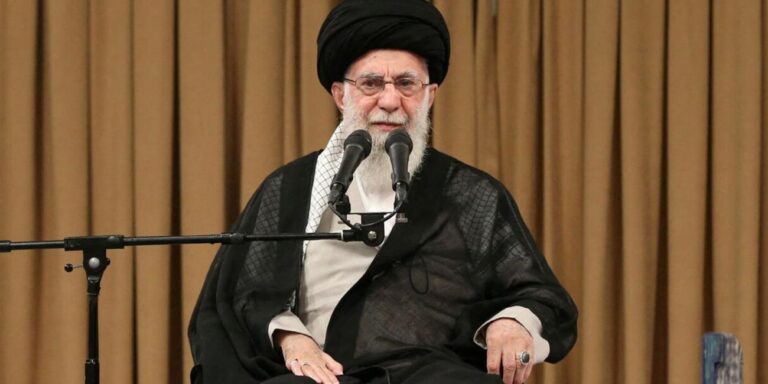
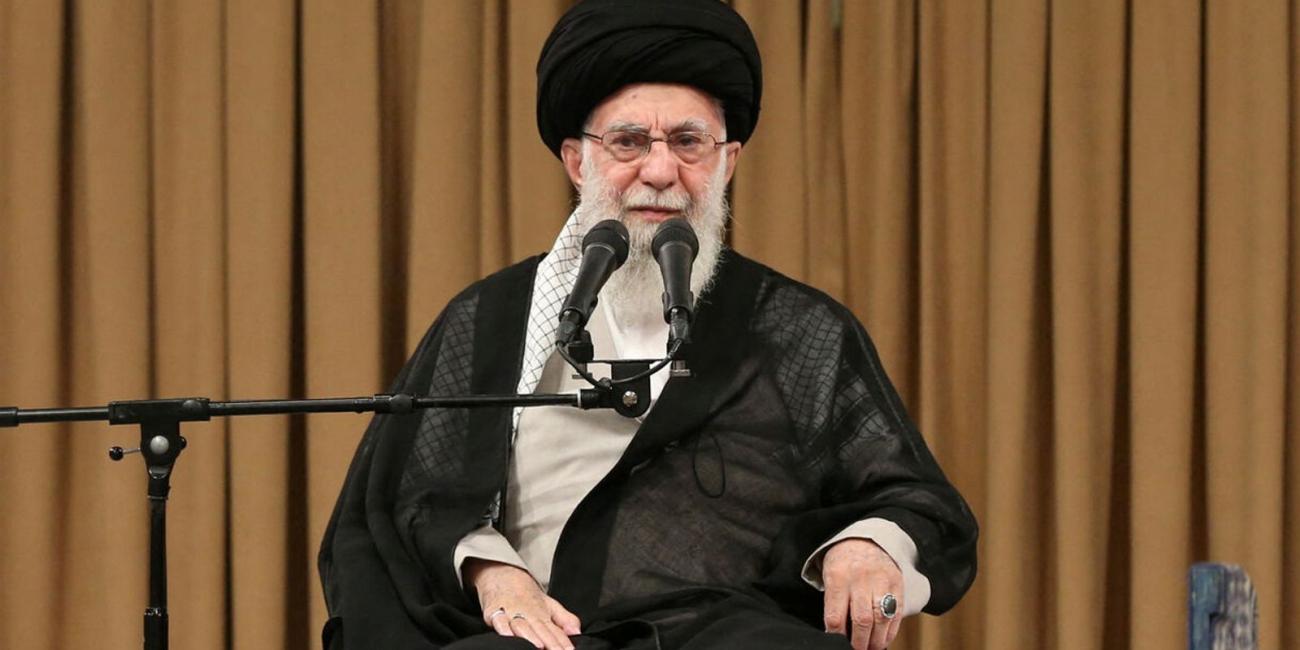
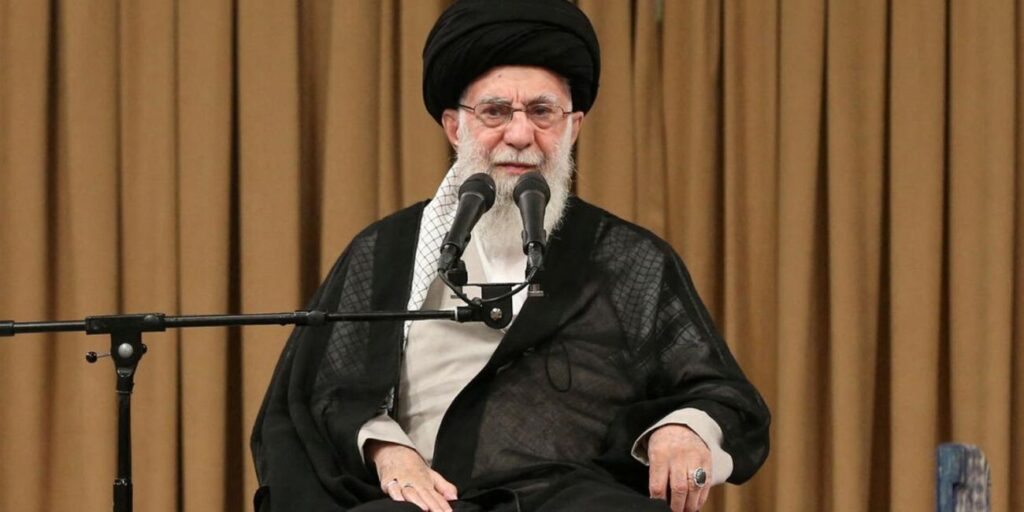
The government of Iran has officially confirmed the death of its Supreme Leader, , following coordinated military strikes reportedly carried out by the and .
According to reports published by , Iranian state media announced that Khamenei was killed during targeted air and missile operations that struck key military and leadership facilities in .
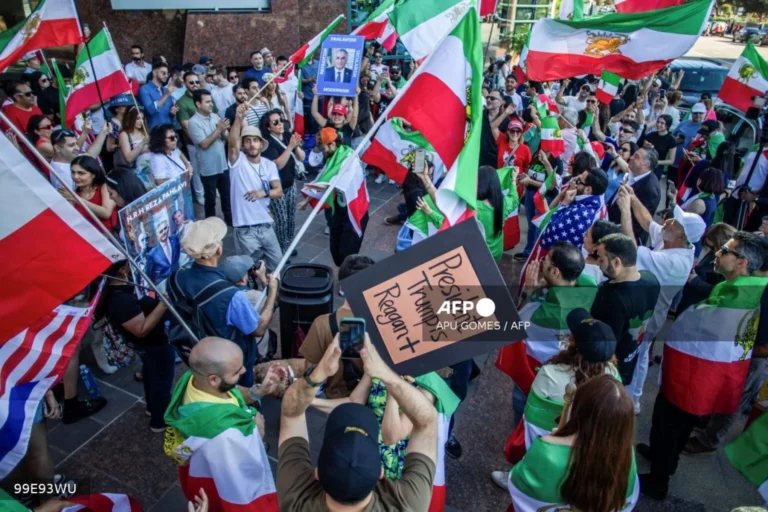
In a nationwide broadcast, authorities declared a 40-day national mourning period, describing his death as a major national loss and pledging a firm response. Public institutions have reportedly been closed in parts of the country, while security has been heightened across major cities.
Khamenei, who had served as the country’s Supreme Leader since 1989, was a central figure in shaping the country’s domestic governance and foreign policy direction for more than three decades. His leadership significantly influenced Iran’s relations with Western powers and regional rivals.
Following the announcement, the issued strong statements warning of retaliation. Reports indicate that tensions have escalated across the region, with fears of further military exchanges between Iran and Israel.
The development has triggered global reactions, including volatility in energy markets, as concerns grow over potential wider instability across the . International leaders have urged restraint, emphasizing the need to prevent a broader regional conflict.
Attention is now focused on the country constitutional succession process and how the leadership transition may reshape political dynamics within the country and across the region. Further updates are expected as events continue to unfold.
Read also Zelenskyy Slams Iran Over Support for Russia, Labels Tehran “Putin’s Accomplice”