Death of Nigerian fighting with Russian forces highlights growing concerns over recruitment of African youths into foreign conflicts
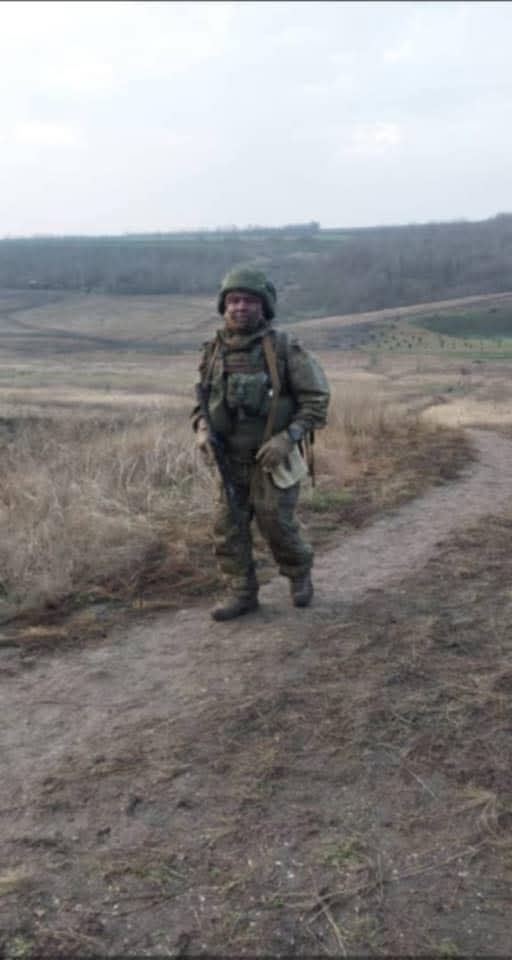
A Nigerian man has reportedly been killed while fighting with the Russian Army in the ongoing Russia–Ukraine war, according to multiple media reports published on February 2, 2026. The deceased, believed to be of Nigerian origin, traveled abroad and later joined Russian military forces before losing his life in combat.
The identity of the man has not yet been publicly confirmed, and official statements from Nigerian authorities remain pending. His death comes amid growing concerns about foreign recruitment of young Africans into the Ukraine conflict, often through informal networks that promise pay, residency benefits, or other incentives.
For families in Abuja and across Nigeria, the report has sparked anxiety and raised urgent questions about how and why Nigerian youths are finding themselves on distant battlefields. Community leaders say the tragedy underscores the need for increased awareness about the risks associated with joining foreign armed forces—especially in active war zones where dangers are extreme and protections are limited.
Local youth advocates emphasize that financial hardship and a lack of opportunities at home can make overseas recruitment seem appealing to some young people. However, experts warn that many are unaware of the legal, physical, and psychological risks they face once enlisted in conflicts abroad.
As of this writing, neither the Nigerian Ministry of Foreign Affairs nor the Ministry of Defence has issued an official confirmation or detailed response regarding the deceased man’s circumstances. Family members affected by the loss are reportedly seeking support from Nigerian consular services, which are tasked with assisting citizens overseas.
The case has also reignited conversations within Abuja’s civil society about preventive measures. Leaders are calling for:
- Enhanced public awareness campaigns to educate families about the dangers of foreign conflict participation;
- Youth empowerment initiatives to create safer and lawful pathways for Nigerian youths seeking work abroad;
- Stronger government advisories to inform Nigerians of the legal and security implications linked to joining foreign military engagements.
This incident not only highlights the perilous consequences for individuals and families but also offers a critical moment for policymakers, community leaders, and citizens to address the underlying causes that drive young Nigerians to foreign battlegrounds.