Widespread Blackout Hits Abuja, Lagos, Other Major Cities
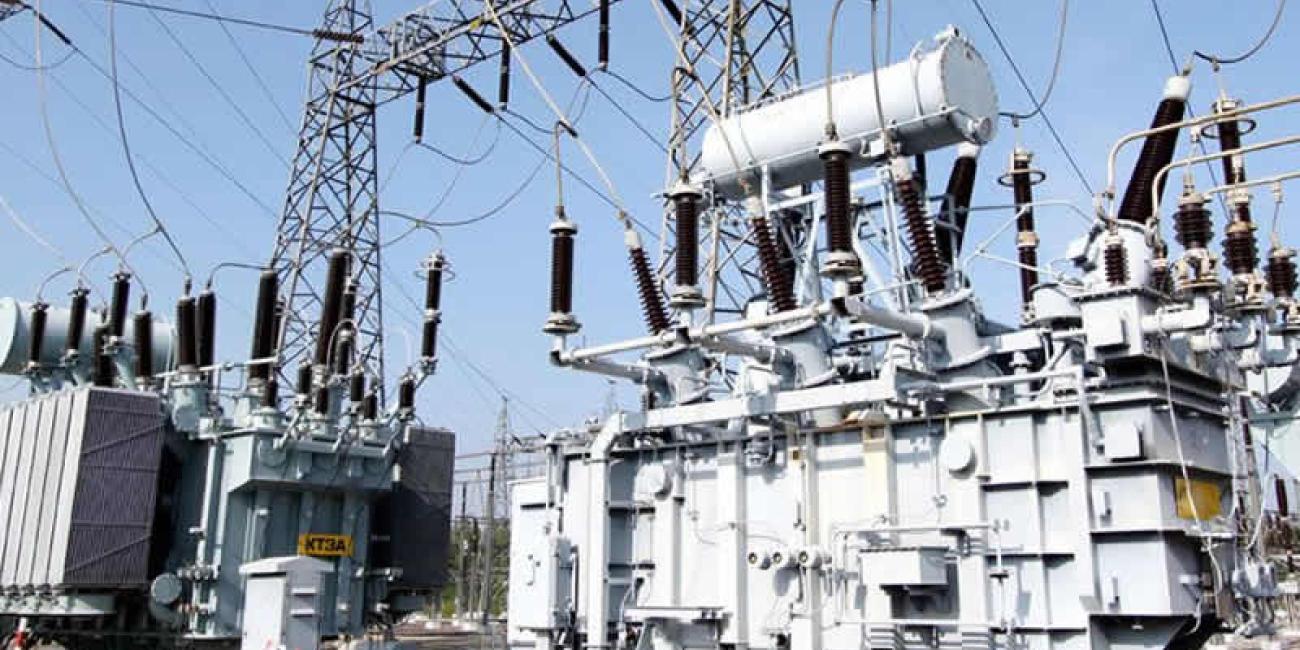
Nigeria’s already fragile electricity sector has suffered another major setback as the national power grid collapsed again, forcing the country into emergency electricity supply mode and plunging many states, including Abuja, into darkness.
According to reports by Sahara Reporters, the grid collapse occurred on Monday, leading to a drastic drop in electricity generation from over 2,000 megawatts (MW) to less than 150MW within hours — a development that triggered near-total blackout across the country.
Abuja, Ibadan, Benin Receive Limited Power
Following the collapse, only a handful of electricity distribution companies (DisCos) reportedly received minimal power supply. Abuja DisCo was allocated roughly 20MW, while Ibadan received about 80MW and Benin around 20MW.
Other major DisCos, including Eko, Ikeja, Enugu, Kaduna, Kano, Port Harcourt, Jos, and Yola, were left with zero power allocation, worsening the blackout situation nationwide.
Businesses, Homes, Hospitals Affected
The sudden power outage disrupted economic activities, forcing businesses, households, hospitals, and telecom facilities to rely heavily on generators and alternative energy sources. Residents in Abuja expressed frustration over the recurring grid failures, especially amid rising fuel costs.
“This has become a regular occurrence. We cannot plan our lives or businesses with unstable power,” a resident of Gwarinpa told Abuja Affairs.
No Official Explanation Yet
As of the time of filing this report, the Transmission Company of Nigeria (TCN) and the Federal Ministry of Power had not issued an official statement explaining the cause of the latest collapse or providing a clear timeline for full restoration.
Recurring Power Grid Failures
Nigeria’s national grid has collapsed multiple times in recent months, highlighting persistent challenges such as aging infrastructure, poor maintenance, transmission bottlenecks, and inadequate generation capacity. Energy experts warn that without urgent reforms and massive investment, grid collapses may continue.
Public Outcry Grows
The latest incident has reignited public criticism of the Federal Government’s handling of the power sector, with many Nigerians calling for structural reforms, decentralization of power generation, and stronger accountability mechanisms.