
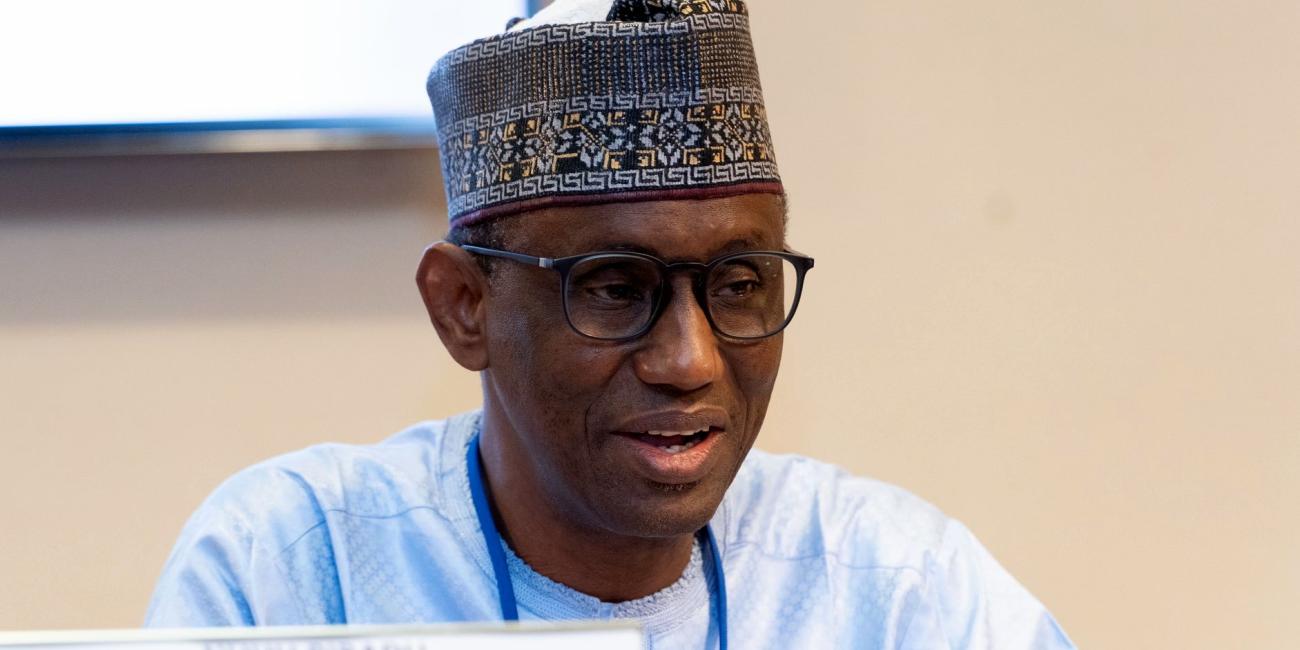
The Office of the National Security Adviser (ONSA), led by Nuhu Ribadu, has denied claims suggesting it illegally supplied arms to vigilante groups in Kwara State. The clarification followed online reports raising concerns about weapons allegedly linked to federal security operations in the state.
In a statement issued by spokesman Abu Michael of the National Counter Terrorism Centre, ONSA emphasized that the Federal Government is operating a legally-recognised hybrid security framework, combining conventional security forces with trained auxiliary personnel to combat terrorism and violent crime.
According to ONSA, the deployment of such hybrid forces is backed by the Terrorism Prevention and Prohibition Act, 2022, and is intended to support operations in remote and high-risk locations where conventional policing faces operational challenges.
ONSA Denies Supplying Arms to Socio-Cultural Groups
The statement dismissed claims that weapons were provided to socio-cultural organisations or independent vigilante outfits, describing the reports as misleading. The office reiterated that all personnel engaged under the hybrid structure are screened, trained, and monitored by authorised government security agencies.
ONSA further urged media platforms and social commentators to avoid sharing unverified claims, noting the sensitivity surrounding global and domestic security operations.
Growing Public Interest in Kwara Security Operations
The development comes amid intense public discourse following reports of armed individuals linked to local networks in Kwara State. While security agencies have remained tight-lipped about specific investigations, the NSA’s latest response aims to calm speculation and reassure the public of oversight and legality.
Security stakeholders and civil society groups have called for sustained transparency in handling hybrid forces to prevent abuse, miscommunication, or political manipulation.
A Broader National Strategy
The Ribadu-led NSA office has consistently promoted a multi-layered security strategy, especially in regions vulnerable to insurgency and banditry. Hybrid security forces—sometimes including licensed hunters and community response teams—have been deployed in several states to support ongoing military and police operations.
As Nigeria continues to contend with insecurity, the debate over the role and limits of auxiliary forces remains active



2 thoughts on “NSA Ribadu’s Office Denies Illegally Arming Vigilantes in Kwara”
Comments are closed.