Sowore and the Rising Debate on Free Speech in Nigeria
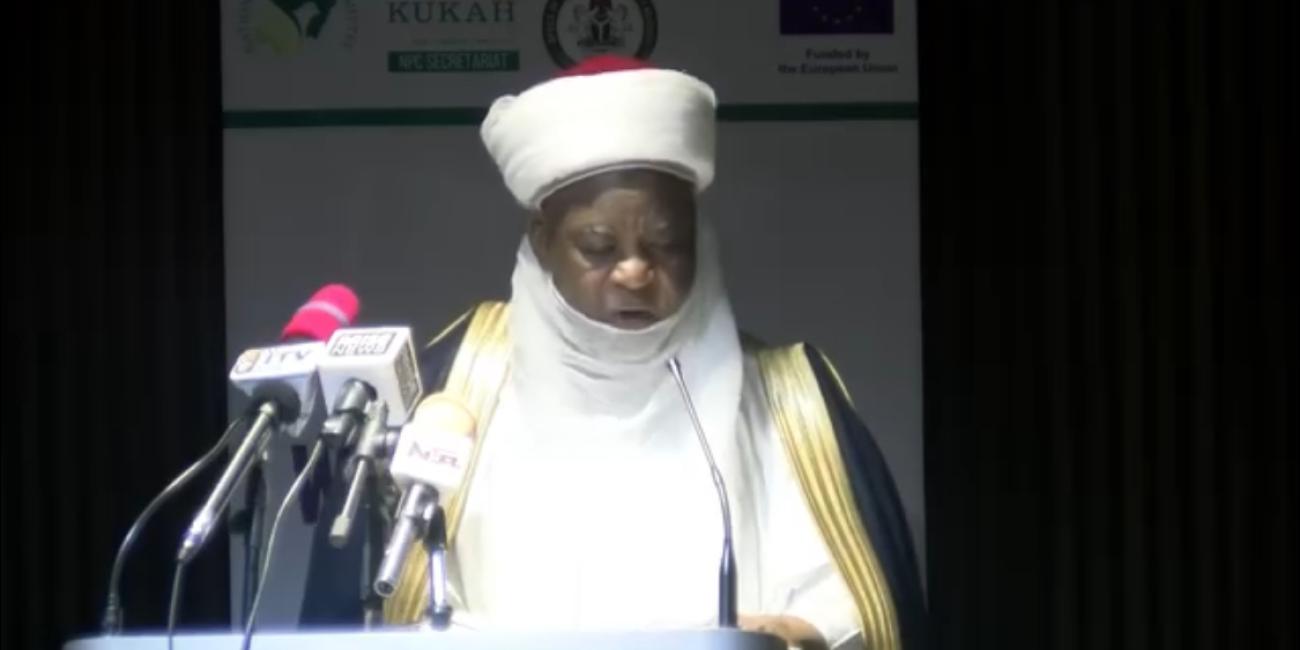
The national conversation on democracy and human rights intensified again on Friday after the Sultan of Sokoto, Muhammadu Sa’ad Abubakar III, openly cautioned authorities against silencing activist and politician Omoyele Sowore. His remarks have sparked strong reactions across Abuja’s political circles, especially as Sowore continues to face mounting legal restrictions.
A Powerful Endorsement for Sowore’s Democratic Voice
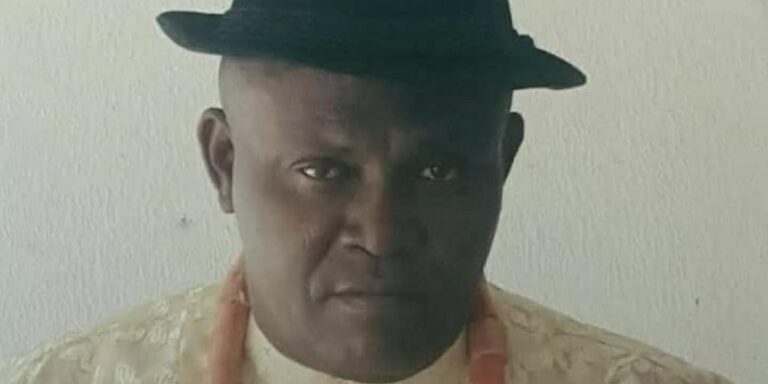
Speaking at a public dialogue on conflict prevention, the Sultan noted that freedom of speech is a fundamental pillar of national stability. Addressing the activist directly—and notably referring to him as “President Sowore”—the Sultan emphasized that Nigeria must protect dissenting voices rather than punish them.
According to the Sultan, Sowore represents a generation of citizens who challenge leaders to uphold justice, transparency, and accountability. He stressed that silencing such voices only deepens political distrust and creates unnecessary tensions in the country.
Why Sowore Remains a Central Figure in National Discourse
Sowore has long been a vocal critic of government policies, corruption, and democratic abuses. His activism, journalism, and presidential ambitions have made him a persistent target of arrests, surveillance, and legal battles.
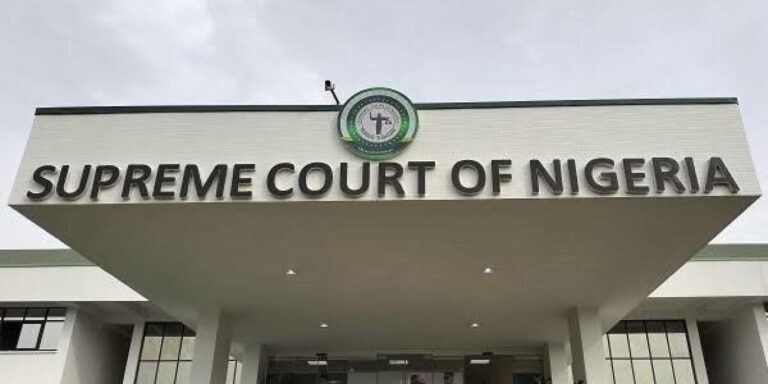
Recent court orders restricting his public statements have raised concerns among civil society groups, many of whom argue that Sowore is being singled out for his outspokenness. These developments have fueled a broader debate in Abuja about whether Nigeria is shrinking or expanding democratic space.
Implications for Politics Ahead of 2027
The Sultan’s intervention comes at a time when political alignments for 2027 are already forming. Though Sowore has not publicly declared a new presidential run, the Sultan’s public acknowledgment of his possible future leadership adds a fresh dimension to the conversation.
Analysts note that this endorsement, even subtly delivered, may embolden activists and young political actors across Nigeria. It also pressures government institutions to reconsider how criticism and activism are handled.
Abuja Reactions: Support and Caution
Within Abuja, reactions have been mixed. Human rights advocates welcomed the Sultan’s message as a needed reminder that democracy thrives on plurality of voices. Government-aligned commentators, however, argue that the state must balance free speech with national security concerns.
Regardless, one thing remains clear: Sowore continues to be a defining figure in Nigeria’s struggle for democratic accountability, and efforts to suppress his voice only amplify his influence.
Conclusion: Sowore and the Future of Democratic Expression
The Sultan’s bold public support sends a strong signal at a pivotal moment in Nigeria’s political climate. As the debate around Sowore, free speech, and democratic participation intensifies, Abuja will remain the center of national attention.
For now, the message is unmistakable: Nigeria cannot afford to silence voices calling for justice, transparency, and reform.