Move signals major escalation in US-Iran tensions, raising global concerns over oil supply disruption and economic impact
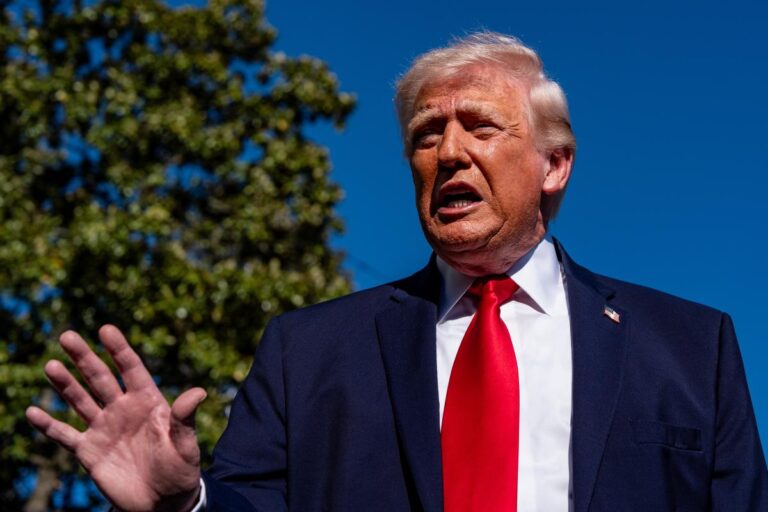
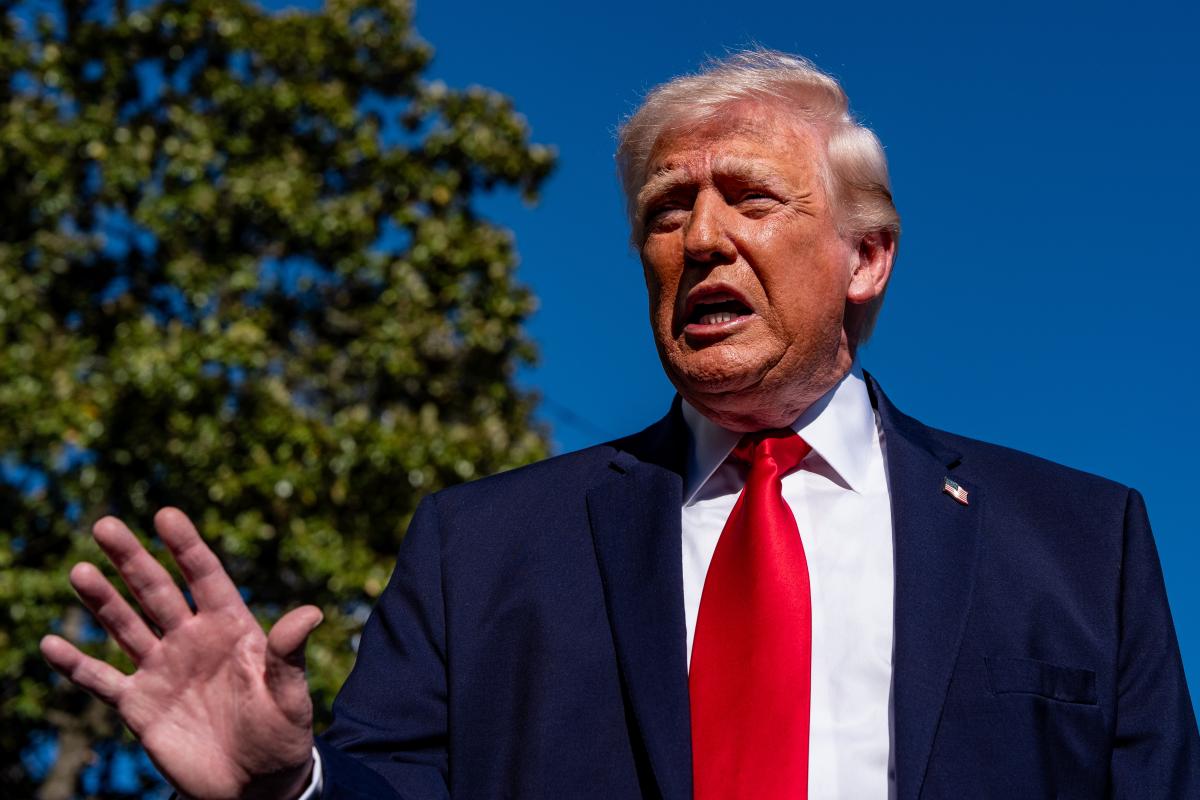
United States President Donald Trump has ordered the deployment of the US Navy to block the strategic Strait of Hormuz following a breakdown in diplomatic talks with Iran.
According to multiple international reports, the decision came after negotiations between US and Iranian officials ended in a deadlock, further deepening tensions in the Middle East. The directive reportedly authorizes US naval forces to intercept vessels suspected of engaging in transactions with Iran, particularly payments for passage through the critical waterway.
The Strait of Hormuz remains one of the most important global oil transit routes, with a significant percentage of the world’s crude oil supply passing through it daily. Any disruption to activities in the region is expected to have far-reaching consequences on global energy markets.
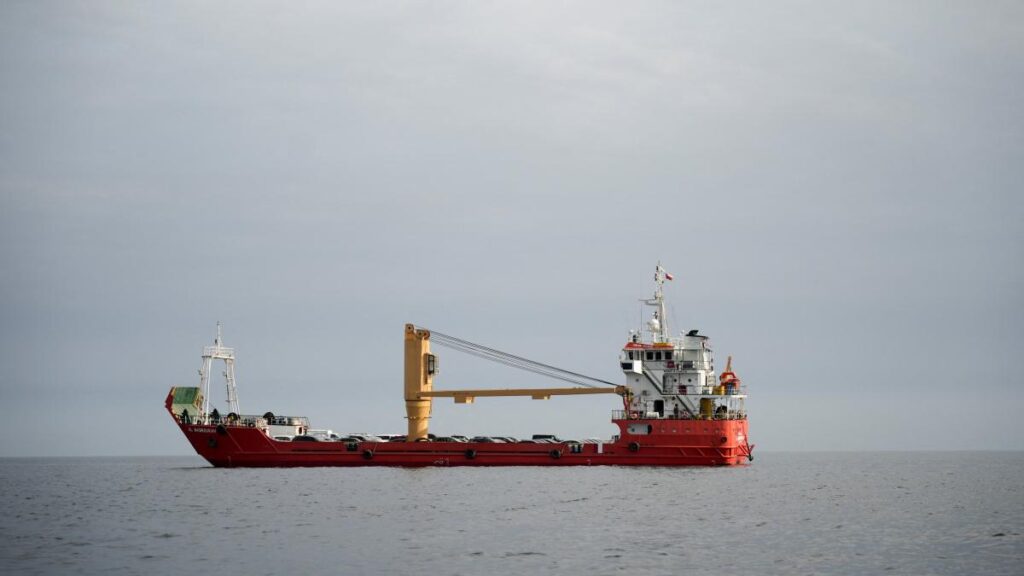
Security analysts warn that the move could escalate into a broader military confrontation, as Iran has consistently maintained its control and influence over the strait. The situation has already triggered heightened military presence and alert levels across the region.
Global markets are closely monitoring developments, with fears of rising crude oil prices and potential supply shortages. Countries heavily dependent on imported petroleum products, including Nigeria, may experience economic ripple effects if the situation worsens.
As tensions continue to mount, international stakeholders are calling for restraint and renewed diplomatic engagement to prevent further escalation in the already volatile region.