Trump Reportedly Earns $1.4bn in First Year After Return to White House
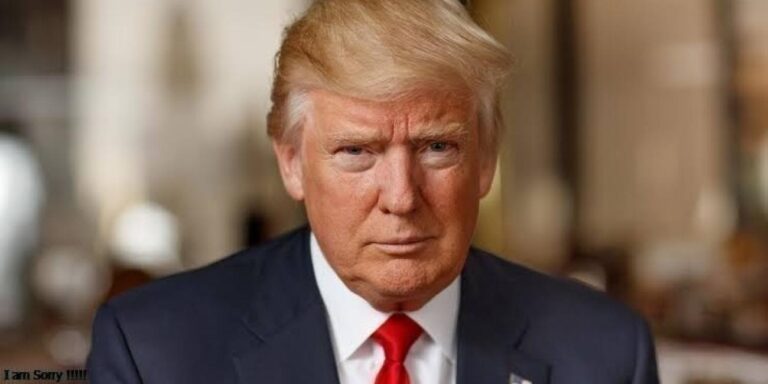
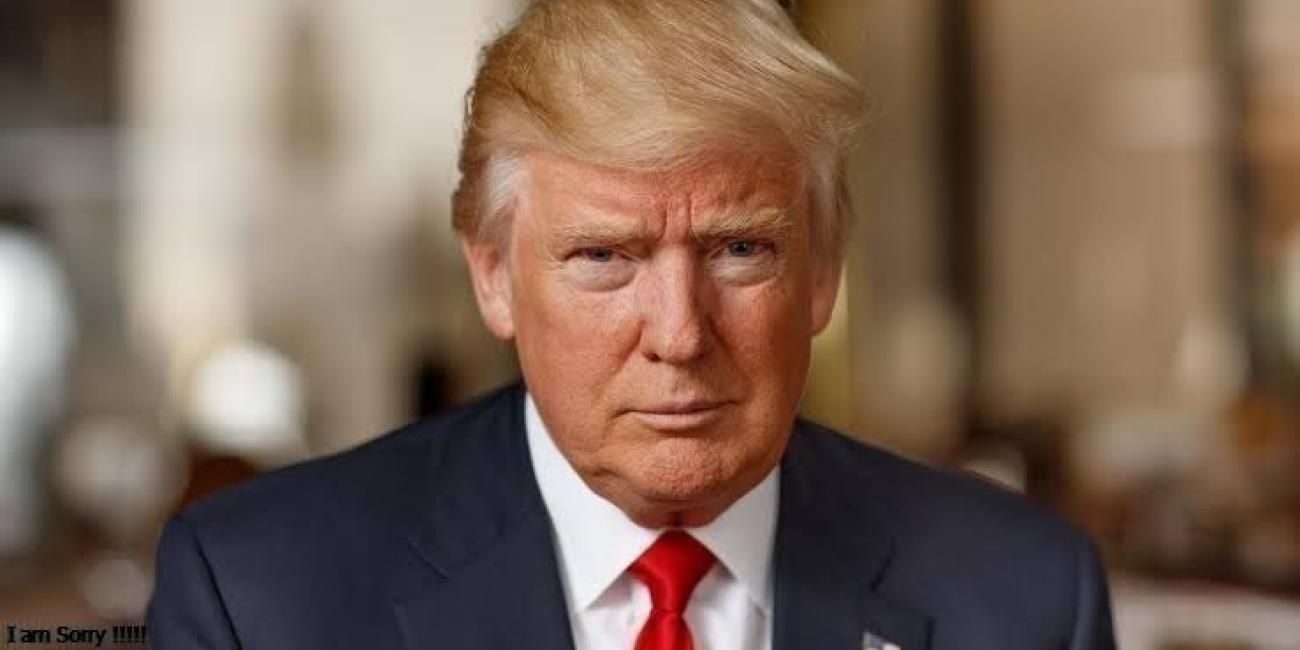
Current United States President Donald Trump has reportedly earned an estimated $1.4 billion within his first year after returning to the White House, according to an analysis by the New York Times editorial board.
The report, which has sparked widespread debate in political and economic circles, outlines multiple income streams linked to Trump, his family, and affiliated business interests during the period under review.
According to the analysis, the earnings were generated from a combination of international business deals, media ventures, legal settlements, cryptocurrency-related activities, and high-value assets associated with the Trump brand. The New York Times noted that the figures were derived from publicly available records, financial disclosures, and previous investigative reports.
Among the major contributors to the estimated earnings are overseas business projects involving the Trump Organization, media-related deals reportedly connected to the Trump family, and cryptocurrency ventures said to be worth several hundreds of millions of dollars. The report also referenced substantial proceeds from legal settlements with major technology and media companies, as well as the valuation of luxury assets linked to Trump.
While the New York Times editorial board acknowledged that some of the figures are estimates, it emphasized that the total earnings far exceed the average income of American households, raising renewed concerns over ethics, conflicts of interest, and financial transparency for public office holders.
Trump’s representatives have, however, disputed aspects of the analysis, insisting that some valuations are exaggerated or misrepresented. They maintain that Trump’s business activities are legally separated from his presidential duties.
The revelations have reignited discussions on the long-standing debate over whether sitting presidents should be required to fully divest from private business interests while in office. Political analysts say the issue could influence policy debates, ethics reforms, and public perception of leadership accountability both in the United States and globally.
As reactions continue to trail the report, the development underscores the growing scrutiny of wealth accumulation, political power, and governance standards in modern democracies.