
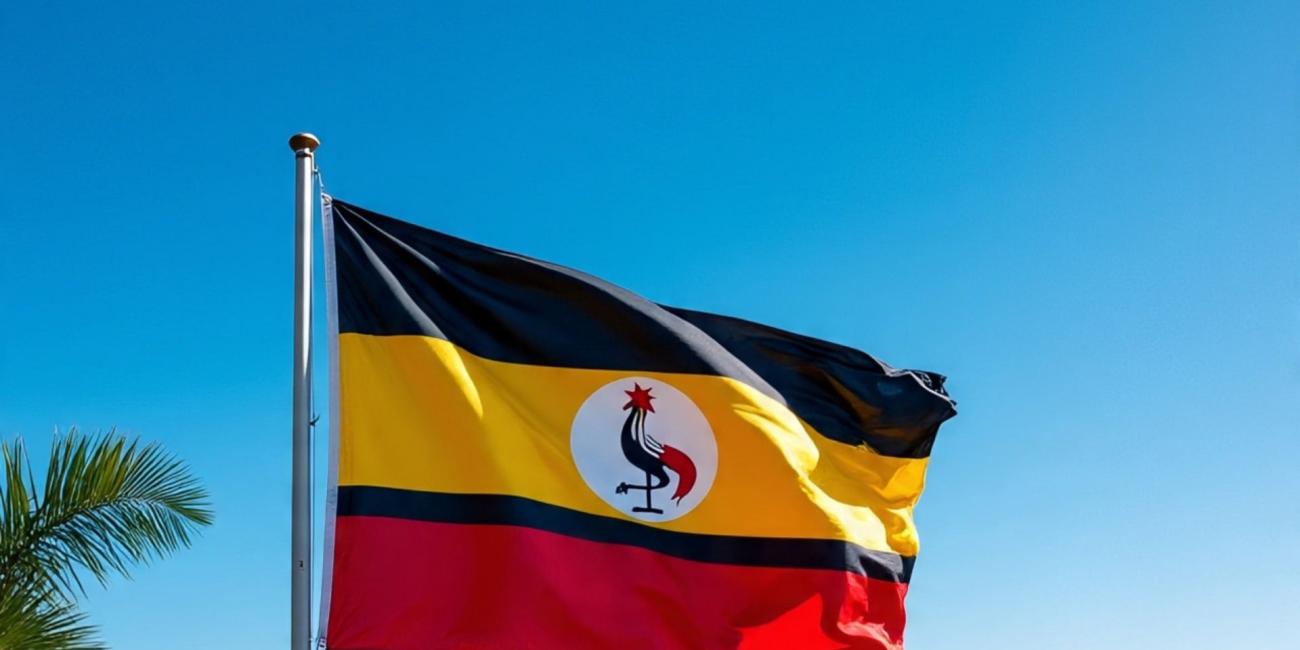
Move Sparks Concerns Over Free Speech in Uganda, Transparency as Polls Draw Near
The Ugandan government has ordered a nationwide internet shutdown and suspended the registration of new SIM cards ahead of the country’s presidential election, sparking widespread concern among civil society groups, opposition figures, and digital rights advocates.
According to a directive issued by the Uganda Communications Commission (UCC), mobile network operators and internet service providers were instructed to block public internet access and halt SIM card registration as part of security measures ahead of the highly anticipated polls.
The shutdown, which affects mobile data services, social media platforms, and other online communications, is expected to remain in place throughout the election period, though authorities have not given a clear timeline for full restoration.
Ugandan authorities justified the move by citing the need to prevent the spread of misinformation, disinformation, and potential incitement to violence during the election period. Officials argue that the measures are aimed at maintaining public order and ensuring a peaceful voting process.
However, critics say the decision undermines democratic principles and limits citizens’ access to information at a critical time.
Opposition parties and human rights organisations have condemned the shutdown, describing it as an attempt to suppress dissent, restrict political mobilisation, and limit election transparency.
Digital rights groups warn that internet blackouts disrupt economic activities, hinder media reporting, and prevent citizens from sharing real-time information about the electoral process.
Uganda has previously imposed similar internet restrictions during past elections, including the 2021 polls, a move that drew international criticism.
The latest development has renewed debates across Africa about the use of internet shutdowns during elections. Advocacy groups have repeatedly called on African governments to respect digital rights and uphold freedom of expression, especially during democratic processes.
As Uganda heads to the polls, observers say the internet shutdown could further heighten political tensions and raise questions about the credibility of the electoral process.

Read also 81-Year-Old Ugandan President Museveni Seeks Seventh Term After 40 Years In Power


2 thoughts on “Uganda Shuts Down Internet, Suspends SIM Registration Ahead of 2026 Presidential Election”
Comments are closed.