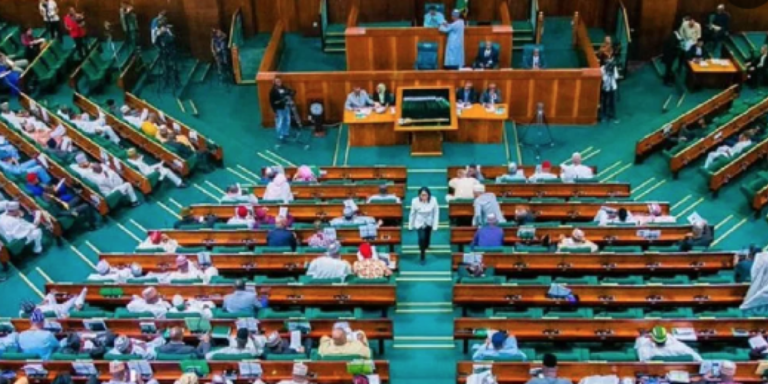
The Nigeria Religious Freedom and Accountability Act of 2026 aims to enforce accountability, enhance religious freedom, and assess violent attacks in central Nigeria.
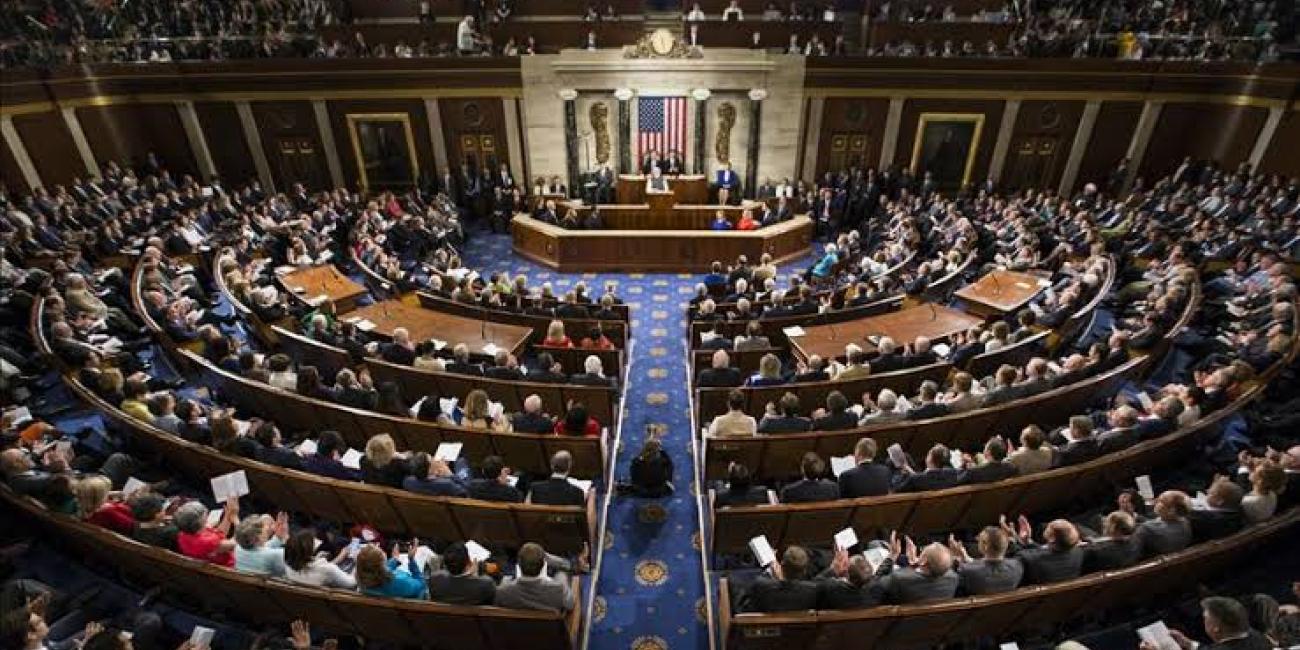
U.S. lawmakers have introduced a new bill aimed at increasing oversight of Nigeria’s handling of violent attacks and religious freedom violations. The Nigeria Religious Freedom and Accountability Act of 2026, sponsored by Representatives Riley Moore (R‑WV) and Chris Smith (R‑NJ), mandates annual reporting by the U.S. State Department on Nigeria’s progress in protecting vulnerable communities.
The legislation proposes that certain armed groups, including Fulani militias, could face designation as Foreign Terrorist Organizations (FTOs), while individuals linked to violence may be subject to sanctions, visa bans, or asset freezes. It also seeks to hold Nigerian authorities accountable for preventing attacks and prosecuting perpetrators, in line with the International Religious Freedom Act.
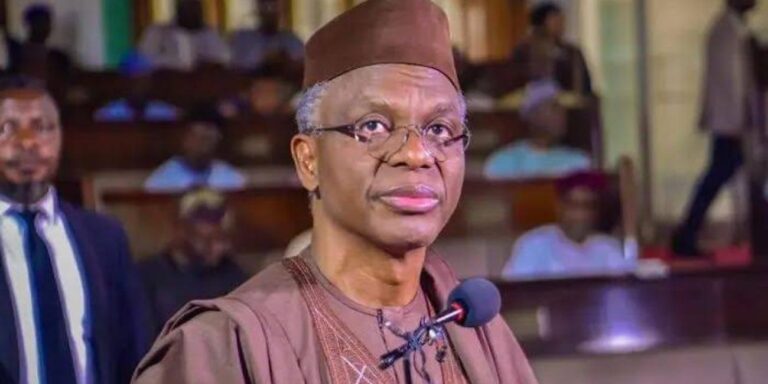
While some media references mention former Kano State Governor Rabiu Kwankwaso, the official text of the bill focuses primarily on armed groups and alleged perpetrators of violence rather than political figures.
The bill comes amid growing international attention on Nigeria’s central region, where communities have faced repeated attacks by armed herders and militias. If passed, it could increase diplomatic pressure on the Nigerian government to enforce security measures, protect religious freedoms, and cooperate with U.S. human rights oversight.
The legislation highlights bipartisan interest in ensuring U.S.–Nigeria collaboration while addressing human rights concerns, balancing diplomatic ties with accountability measures.