University of Abuja’s VC Fawehinmi Visits FCT Traditional Rulers, Reaffirms University–Host Community Partnershi
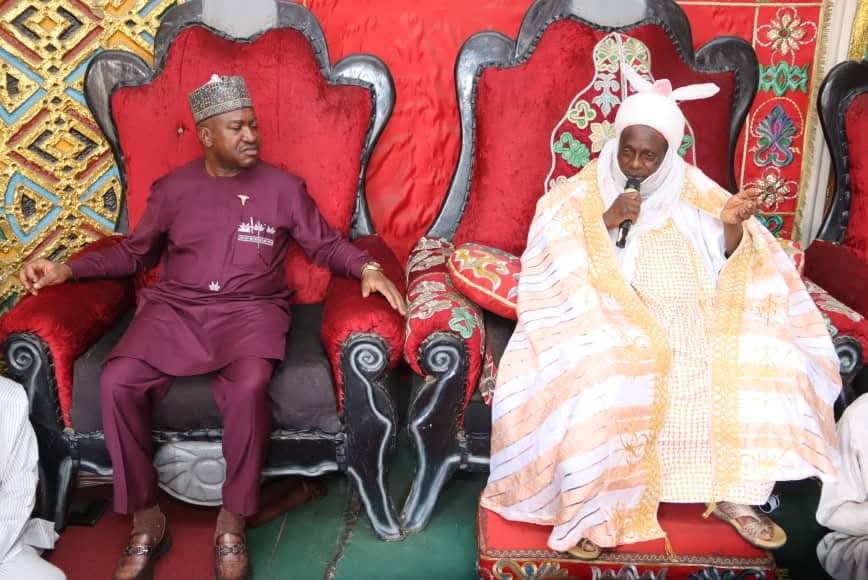
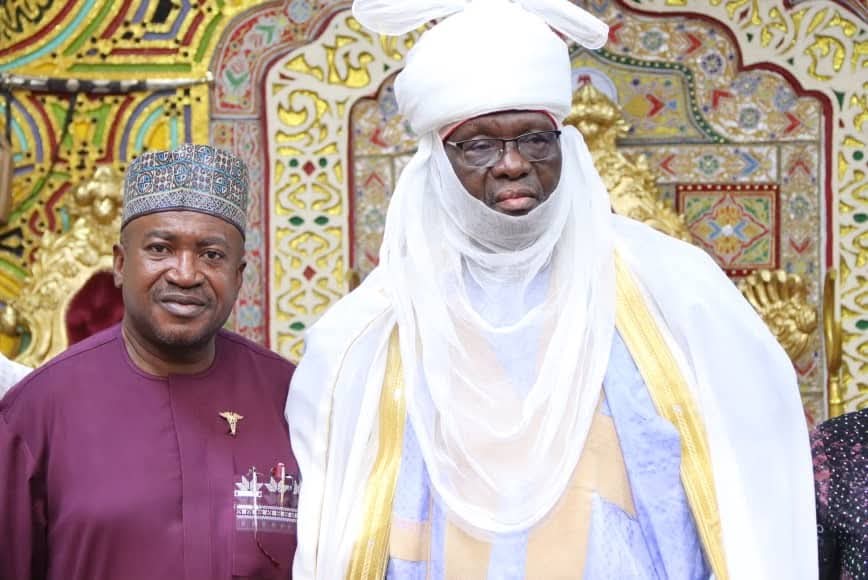
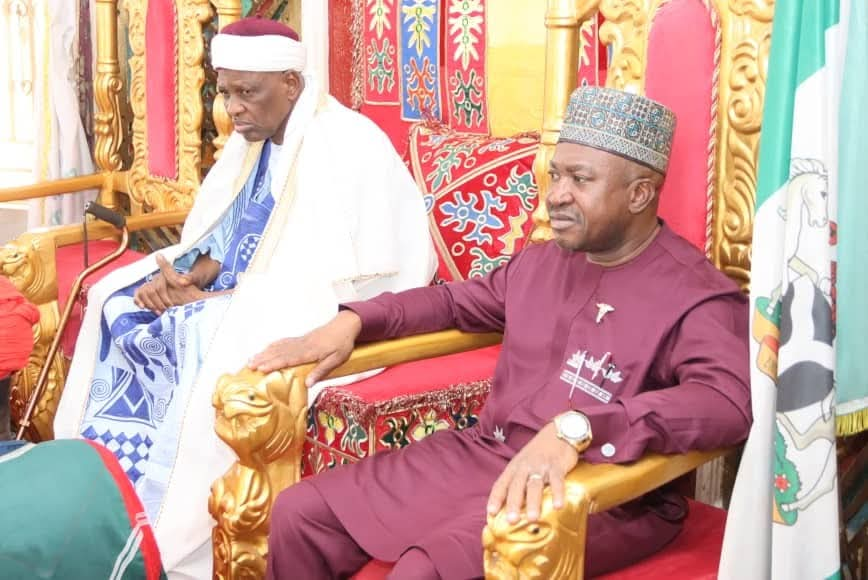
University of Abuja Vice-Chancellor, Professor Hakeem Babatunde Fawehinmi, has paid courtesy visits to prominent traditional rulers across the Federal Capital Territory (FCT) as part of efforts to strengthen the longstanding relationship between the University and its host communities.
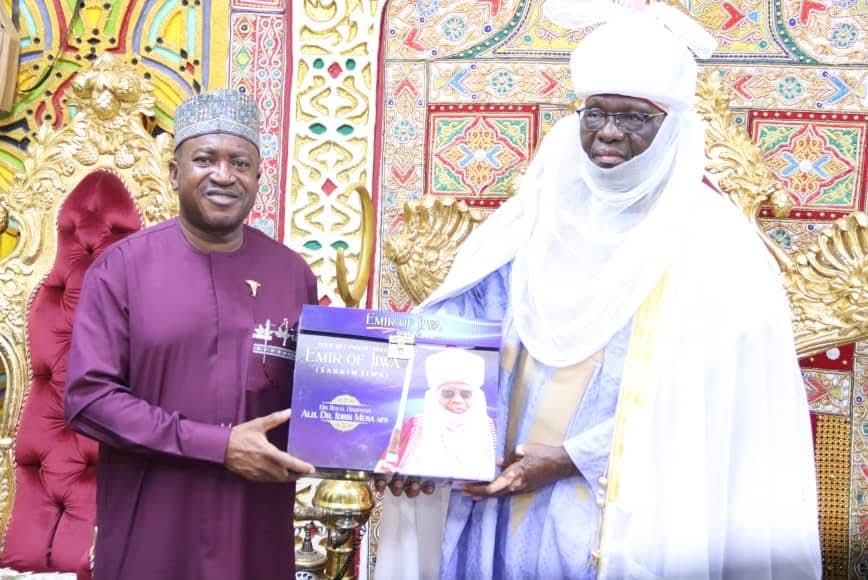
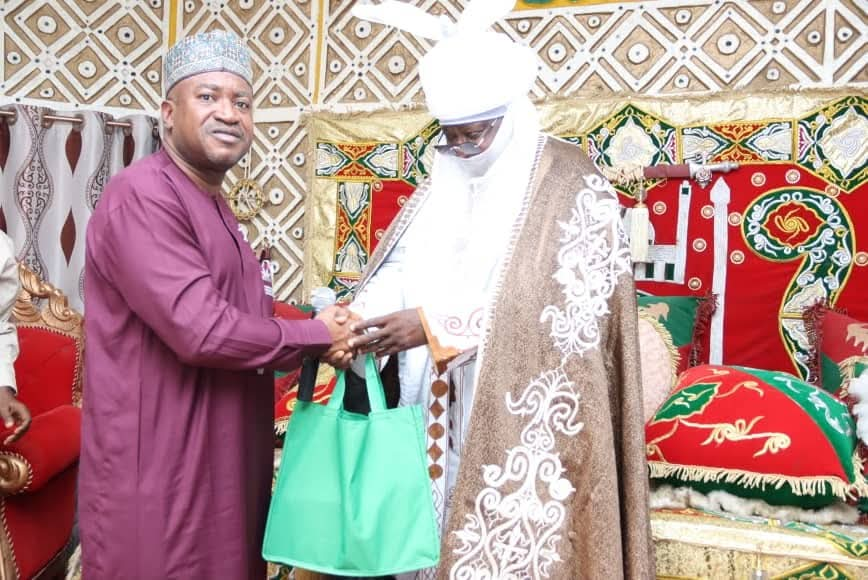
The visits took the UniAbuja’s Vice-Chancellor to the palaces of the Ona of Abaji and Chairman of the FCT Traditional Council, Alhaji Adamu Baba Yunusa; the Sapeyi of Garki, Alhaji Dr Usman Nga-Kupi; the Aguma of Gwagwalada, Muhammed Magaji; the Agora of Zuba, Mohammed Bello; and the Agaba of Jiwa, Alhaji Idris Musa.
Speaking during the visits, Professor Fawehinmi expressed deep appreciation for the continuous support and peaceful coexistence the host communities have extended to the University over the years. He described traditional institutions as critical stakeholders in the growth and stability of tertiary institutions within the FCT.
The Vice-Chancellor assured the royal fathers of the University’s commitment to addressing community needs through corporate social responsibility initiatives, stressing that sustained cooperation would promote mutual growth and development.
“The University values its host communities and remains ready to partner with them in areas that will foster development and strengthen our shared future,” he said.
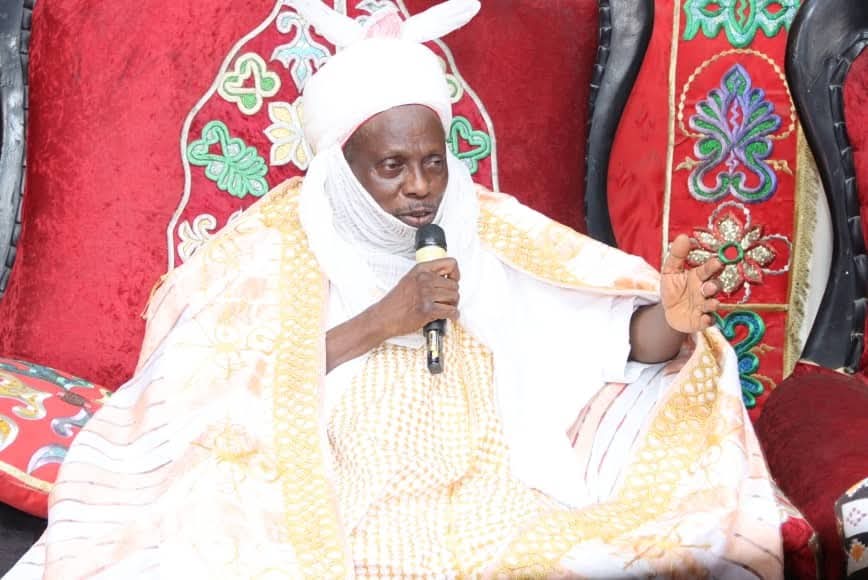
In their responses, the traditional rulers congratulated Professor Fawehinmi on his appointment as Vice-Chancellor and offered prayers for a successful and impactful tenure. They pledged their full support for the advancement of the University and called for deeper collaboration.
The monarchs also appealed to the University management to consider requests relating to admission opportunities, recruitment, and other initiatives capable of improving the socio-economic development of their respective communities.
The courtesy visits reaffirm the University’s commitment to maintaining strong ties with its host communities and promoting inclusive development across the Federal Capital Territory.