
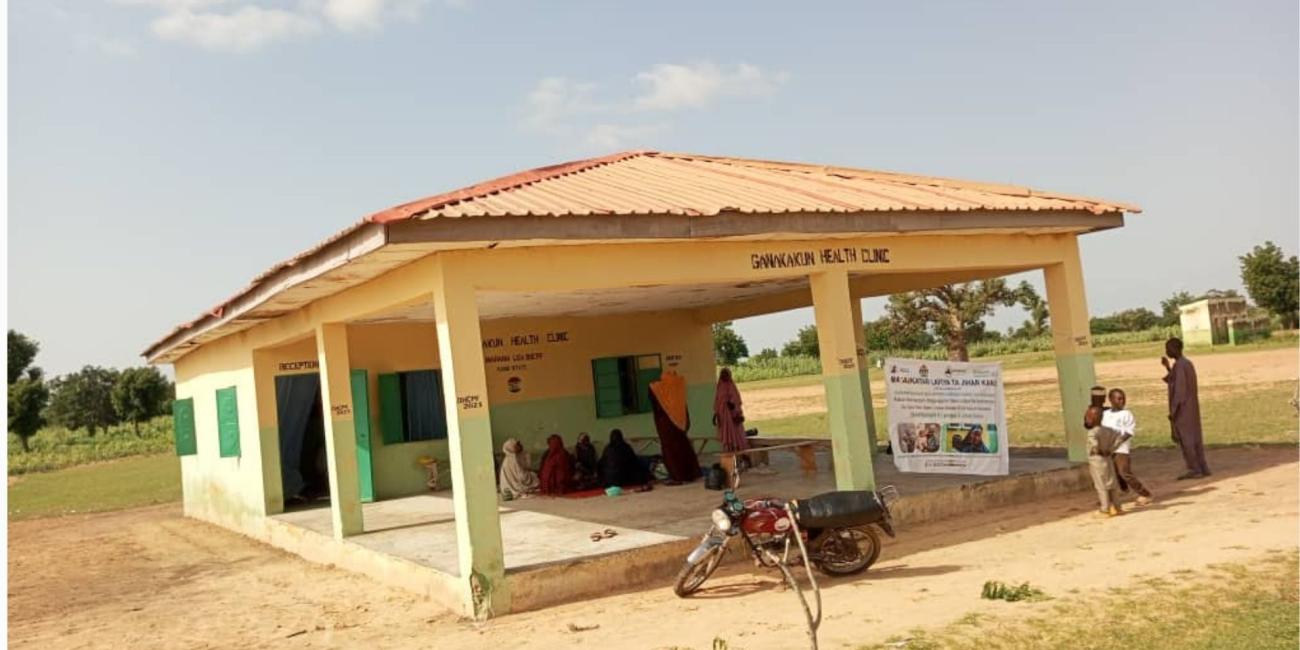
Kano health officials face scrutiny after ₦32.9bn project delivers poor-quality results.
A civic accountability organisation, MonITNG, has criticised the quality of renovation work at a primary health centre in Kano State, describing it as substandard despite the Federal Government’s recent announcement of a fresh ₦32.9 billion release under the Basic Health Care Provision Fund (BHCPF) to strengthen health facilities nationwide.
According to the group, contractors and supervising agencies in Kano state approved what it called “cosmetic and incomplete” renovation at the Ganakakum Health Clinic in Madarin Mata Ward, Warawa Local Government Area Kano state, even though the project was listed as part of ongoing revitalisation efforts for primary healthcare centres (PHCs).
Tracka Team Uncovers Poor Quality Renovation
In a statement released on Saturday, December 6, 2025, MonITNG disclosed that its Tracka monitoring team visited the Ganakakum PHC in August 2025 and uncovered “an alarming level of shoddy work.” The group noted that instead of carrying out meaningful rehabilitation, the contractor merely repainted the building and replaced windows and doors, leaving the leaking roof untouched.
MonITNG said the leaking roof has continued to threaten operations, particularly during rainfall, exposing patients to unsafe conditions and making it extremely difficult for health workers to provide essential health services. The organisation stressed that such lapses defeat the purpose of the BHCPF, which is intended to strengthen PHCs across the country.
The group expressed concern over how the project passed multiple stages of approval.
“How was this renovation approved? Who certified this incomplete and substandard work as acceptable?” MonITNG asked.
According to the organisation, the situation mirrors a troubling national trend where PHC projects are declared “completed” on paper while communities continue to rely on poorly maintained facilities incapable of delivering effective healthcare.
Group Demands Immediate Government Intervention
MonITNG called for urgent intervention from the Minister of Health, Prof. Muhammad Ali Pate, and the Director-General of the National Primary Health Care Development Agency (NPHCDA), Dr Muyi Aina. The group urged both officials to dispatch an experienced monitoring and evaluation team to independently verify the quality of work before contractors receive final payment.
The organisation warned that public funds must no longer be wasted on projects that do not provide meaningful improvements to citizens.
“Public money cannot keep disappearing into cosmetic renovations. Nigerians deserve functional PHCs, not buildings that only look better on the outside while core problems remain unaddressed,” it said.
Concerns Over New BHCPF Release
MonITNG also questioned the potential impact of the latest ₦32.9bn fund release, arguing that conditions within many communities contradict government assurances of nationwide improvement. The group highlighted widespread issues such as:
- leaking roofs
- damaged or inadequate furniture
- shortages of essential drugs
- insufficient staffing
- unreliable access to clean water and electricity
According to the organisation, these persistent challenges show a disconnect between government announcements and the reality on the ground in several health centres across Nigeria.
Call for Transparency in Fund Utilisation
MonITNG urged the Federal Ministry of Health and NPHCDA to publish a comprehensive breakdown of how the ₦32.9bn will be allocated, the facilities scheduled to benefit, and the specific outcomes expected. The group emphasised that civil society organisations, communities, and the media must closely monitor the funds to ensure they lead to real improvements rather than another cycle of waste.
‘Red Letter’ Reminder Highlights Need for Community Oversight
The group’s findings come shortly after the Federal Ministry of Health issued “The Red Letter” on October 22, 2025. In the letter, Minister Pate reminded citizens that BHCPF funds belong directly to PHCs in every ward and urged communities to take responsibility for monitoring how the money is used.
MonITNG said the situation at Ganakakum Health Clinic shows exactly why such vigilance is urgently required.
Read also Kano Health Centre Undergoes Poor Renovation Despite ₦32.9 Billion




6 thoughts on “Kano Health Centre Undergoes Poor Renovation Despite ₦32.9 Billion”
Comments are closed.