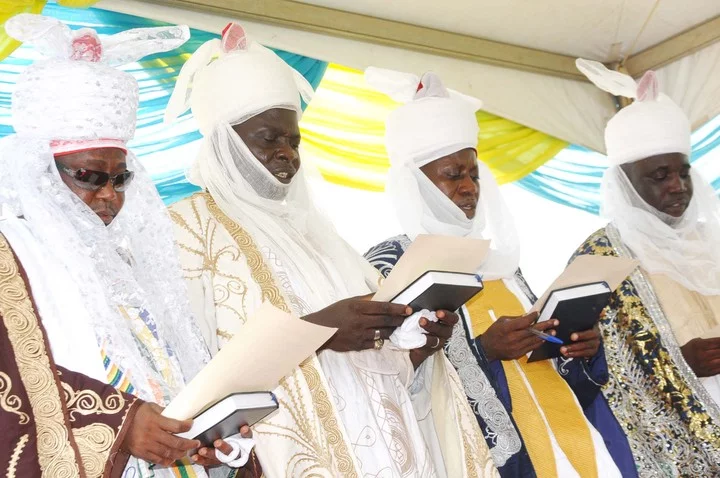
FCT 16 Chiefdoms with Bwari Chiefdom having dual chiefs
FCT Chiefdoms: The Federal Capital Territory (FCT), Abuja, is not only Nigeria’s political capital but also home to rich indigenous traditions and long-established traditional institutions. Spread across its six Area Councils are 16 recognized chiefdoms though some say 17 Chiefdoms, each with distinct histories, leadership titles, and ethnic identities.
This report presents a comprehensive breakdown of the supposed 17 chiefdoms in the FCT and their respective Area Councils, with special attention to the historically complex Bwari Chiefdom, the only chiefdom in the FCT with dual traditional leadership.
1. Bwari Area Council
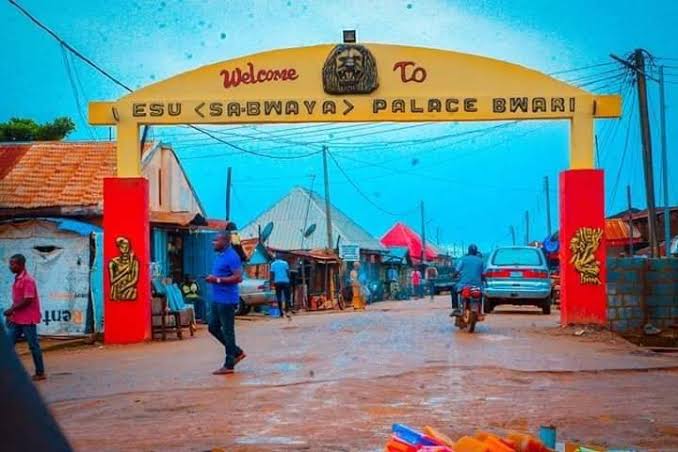
Esu Bwari (Bwari Chiefdom)
- Traditional Ruler: Esu of Bwari & Chairman Council of traditional leaders of Bwari Area Council.
- Class: 3rd Class
- Indigenous Ethnic Group: Gbagyi
- Population Share: Approximately 91%
- Historical Background:
The Esu of Bwari stool dates back to the 14th century, making it one of the oldest traditional institutions in the FCT. The current Esu is the 17th Esu of Bwari, firmly rooted in Gbagyi heritage.
Sarki Bwari (Bwari Chiefdom)
- Traditional Ruler: Sarkin Bwari
- Class: 2nd Class
- Ethnic Group: Koro
- Population Share: Approximately 9%
- Historical Background:
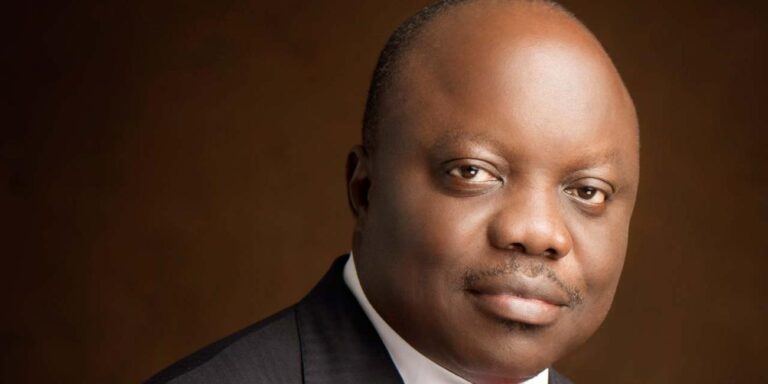
The Sarki Bwari stool was created in 1997 during the tenure of Jeremiah Useni as FCT minister. Its origin traces back to 1976, when tax collectors where posted to Bwari by the Suleja Emirate prior to the Murtala Mohammed New Capital Decree.
The current Sarkin Bwari succeeded his father, who hailed from Ijakoro in Niger State and is Koro by tribe with indigenous settlement at Kawu, Shere Koro, Dutse Alhaji and Part of Igu.
Notable Issue:
Bwari Chiefdom remains the only chiefdom in the FCT—and possibly Nigeria—with two kings, a situation that has historically fueled disputes and crises, some of which have resulted in loss of lives and properties. The entire Bwari Area Council has two indigenous tribes, Gbagyi and the koro’s with about 91% Gbagyis and 9% of the Koro population.
2. Gwagwalada Area Council
Gwagwalada Chiefdom
- Traditional Ruler: Aguma of Gwagwalada
Zuba Chiefdom
- Traditional Ruler: Agora of Zuba
3. Abuja Municipal Area Council (AMAC)
AMAC hosts some of the most prominent indigenous communities within Nigeria’s capital city.
Chiefdoms in AMAC
- Jiwa Chiefdom – Agaba of Jiwa
- Garki Chiefdom – Sa Peyi of Garki
- Karu Chiefdom – Sa Karuyi of Karu
- Karshi Chiefdom – Sarki of Karshi
4. Kuje Area Council
Chiefdoms in Kuje
- Kuje Chiefdom – Gomo of Kuje
- Rubochi Chiefdom – Sa Rubochiyi of Rubochi
- Gwargwada Chiefdom – Agabe of Ugbada (Gwargwada)
5. Kwali Area Council
Chiefdoms in Kwali
- Kwali Chiefdom – Esu of Kwali
- Aguma of Gomani (Gomani Chiefdom)
- Etsu Wako (Wako Chiefdom)
- Sarkin Pai (Pai Chiefdom)
6. Abaji Area Council
Chiefdoms in Abaji
- Abaji Chiefdom – Ona of Abaji
- Yaba Chiefdom – Etsu of Yaba
Why the FCT Chiefdoms Matter
Despite Abuja’s modern outlook, these traditional institutions remain central to:
- Indigenous identity and land heritage
- Community dispute resolution
- Cultural preservation
- Grassroots governance and social cohesion
Understanding the structure of the FCT’s chiefdoms is essential for policymakers, researchers, journalists, and residents alike.
The supposed 17 chiefdoms of the Federal Capital Territory reflect Abuja’s deep indigenous roots and cultural diversity. As the city continues to expand, balancing modern governance with respect for traditional authority remains a critical issue—especially in sensitive areas like Bwari, where historical leadership structures continue to shape contemporary realities.
Read also FCT Stakeholders Assembly Inaugurates Bwari Chiefdom Representatives to Amplify Indigenous Voices

6 thoughts on “Full List: FCT 16 Chiefdoms with 17 Chiefs (Traditional Rulers)”
Comments are closed.