Rising borrowing raises fresh concerns over debt sustainability, economic stability, and pressure on government finances
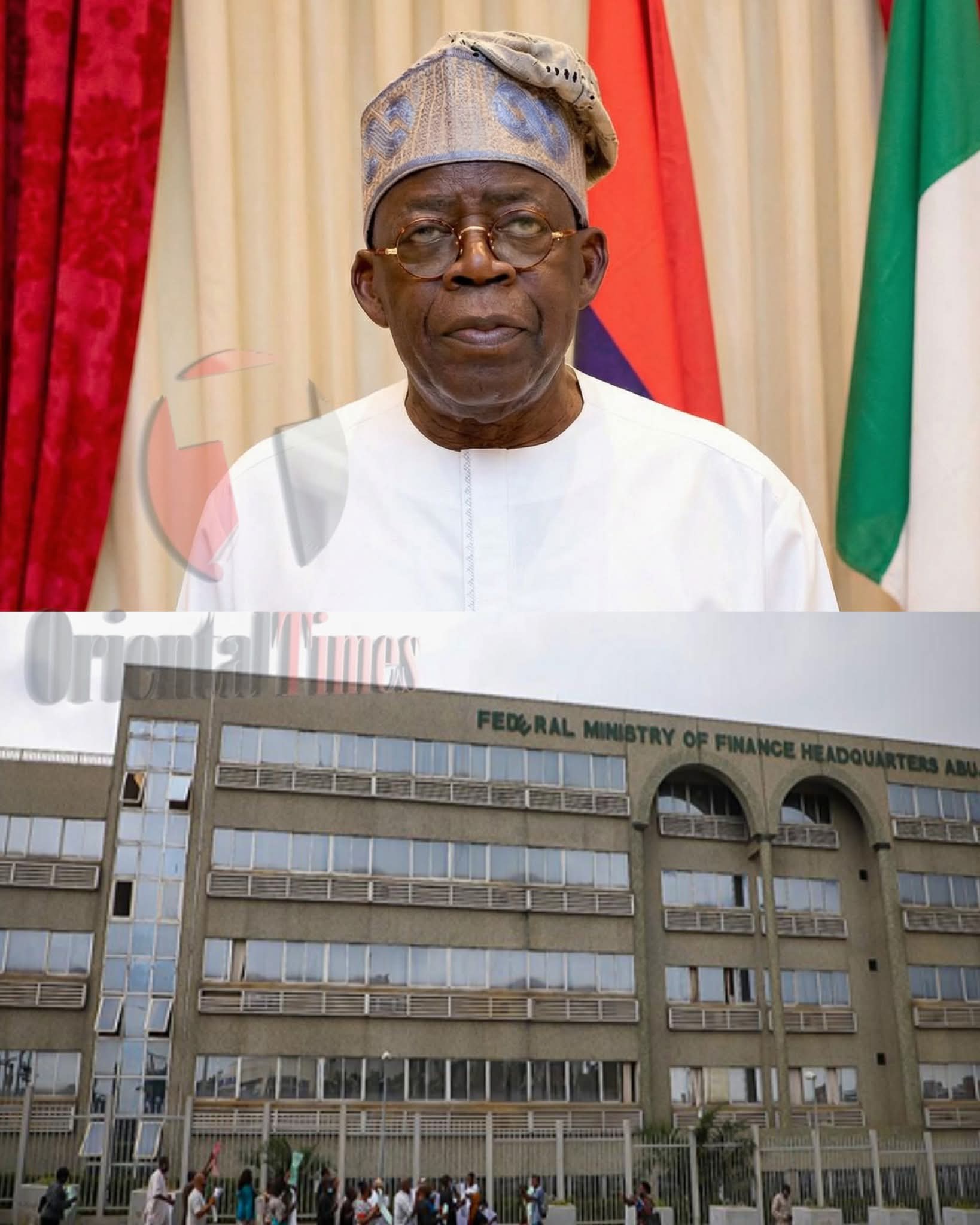
Nigeria’s total public debt has climbed to a staggering N159.28 trillion as of December 2025, sparking renewed concerns over the country’s fiscal health and long-term economic stability.
The latest figures released by the Debt Management Office (DMO) show a steady increase from N153.29 trillion recorded in September 2025, highlighting a continuous upward trend in government borrowing at both federal and subnational levels.
A breakdown of the data indicates that when spread across Nigeria’s estimated population, each citizen now carries an average debt burden of approximately N724,000. While this figure does not imply direct repayment by individuals, it underscores the scale of the nation’s financial obligations.
Analysts note that domestic debt accounts for a slightly higher portion of the total, with borrowings within the country making up over half of the debt stock, while external debt—owed to foreign creditors—constitutes the remaining share.
Economic experts have expressed concern that the rising debt profile could further strain government resources, particularly as a significant portion of national revenue is already being allocated to debt servicing. This trend, they warn, may limit the government’s capacity to invest in critical sectors such as infrastructure, education, and healthcare.
Despite the growing figures, some economists argue that the sustainability of Nigeria’s debt should be assessed not only by its size but also by the country’s ability to generate revenue and maintain a manageable debt-to-GDP ratio.
The development comes amid ongoing economic reforms and efforts by the federal government to boost revenue generation, stabilize the naira, and attract foreign investment.
Read also National-Industrial-Court-of-Nigeria