
Proposed legislation seeks to modernise the PCC, expand investigative powers, and introduce stronger whistleblower protections
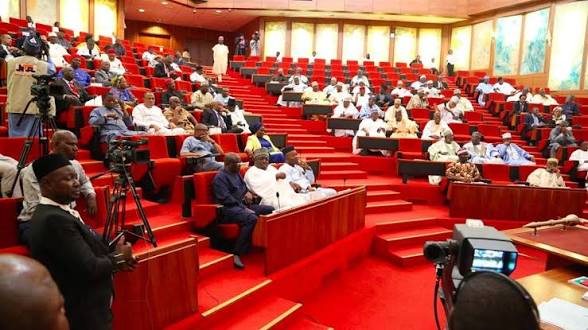
The Nigerian Senate on Tuesday, July 7, 2026, advanced a bill seeking to repeal the existing Public Complaints Commission (PCC) Act and re-enact it as the Public Complaints Commission Act, 2026, in a move aimed at strengthening administrative justice, public accountability, and citizens’ access to redress.
The bill, sponsored by Senator Neda Imasuen, was presented for debate during plenary as part of efforts to modernise the legal and institutional framework governing the Public Complaints Commission.
Presenting the bill, Senator Imasuen explained that the existing law no longer adequately equips the Commission to respond to the realities of modern governance, technological advancements, and the growing public demand for transparency, accountability, and efficient service delivery.
According to the lawmaker, the proposed legislation seeks to reposition the Public Complaints Commission as an independent National Ombudsman Institution with greater autonomy and the capacity to effectively investigate and resolve cases of administrative injustice.
Under the proposed law, the Commission’s mandate would be expanded to receive, investigate, mediate, and resolve complaints relating to maladministration, abuse of office, arbitrary decisions, unfair treatment, and other forms of administrative injustice involving public authorities, public officials, and corporate organisations whose activities affect the rights and welfare of Nigerians.
One of the key highlights of the bill is the provision for greater institutional independence and operational autonomy. The proposal is designed to ensure that the Commission carries out its responsibilities professionally, impartially, and without undue interference.
The legislation also seeks to strengthen the Commission’s investigative powers by enabling it to conduct more effective inquiries, obtain relevant information and official documents, make recommendations, and encourage compliance with the principles of fairness, transparency, accountability, and good governance across public institutions.
Another major feature of the bill is the establishment of a comprehensive Public Interest Disclosure and Whistleblower Protection Framework. The framework is intended to encourage individuals to report corruption, abuse of office, maladministration, and other improper conduct in both the public and private sectors by protecting whistleblowers against intimidation, victimisation, retaliation, and other forms of adverse treatment.
Senator Imasuen noted that robust whistleblower protection is internationally recognised as an essential mechanism for promoting integrity, transparency, and accountability in governance.
If passed into law, the bill is expected to provide Nigerians with a more accessible and effective avenue for seeking redress against unfair administrative actions, reduce bureaucratic excesses, strengthen public confidence in government institutions, and improve service delivery across the public sector.
The proposed legislation also seeks to align Nigeria’s ombudsman system with internationally recognised best practices, where independent ombudsman institutions play a central role in protecting citizens’ rights, promoting good governance, and ensuring accountability in public administration.
Describing the proposal as more than an institutional reform, Senator Imasuen said it represents a strategic intervention aimed at deepening democratic governance, strengthening the rule of law, enhancing transparency, and fostering a stronger culture of accountability across the public sector.
The Senate has been urged to support the bill and allow it to progress to Second Reading, where it will undergo further legislative scrutiny and stakeholder consultation before subsequent stages of consideration.