As the Nigeria Labour Congress’s two-week ultimatum approaches its deadline, the Federal Government calls for a balance between workers’ welfare, sustainable wage policies and the country’s financial capacity.
The Federal Government has called for a balance between workers’ demands for improved salaries and the government’s financial capacity as tensions rise over the two-week ultimatum issued by the Nigeria Labour Congress (NLC).
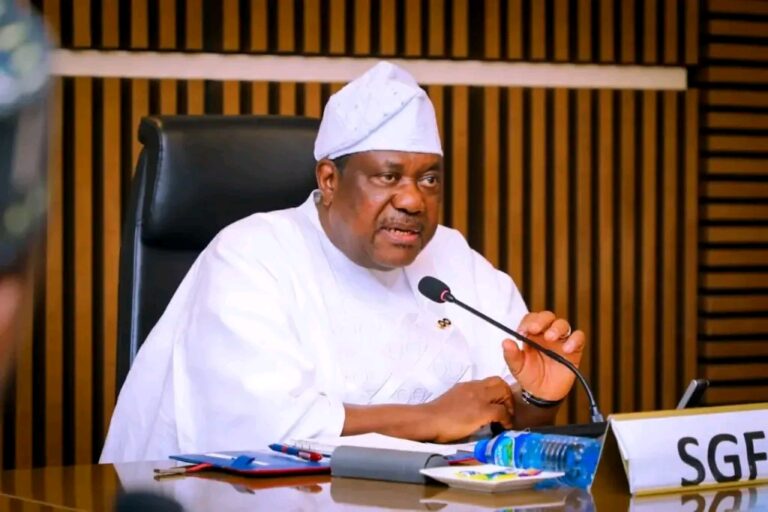
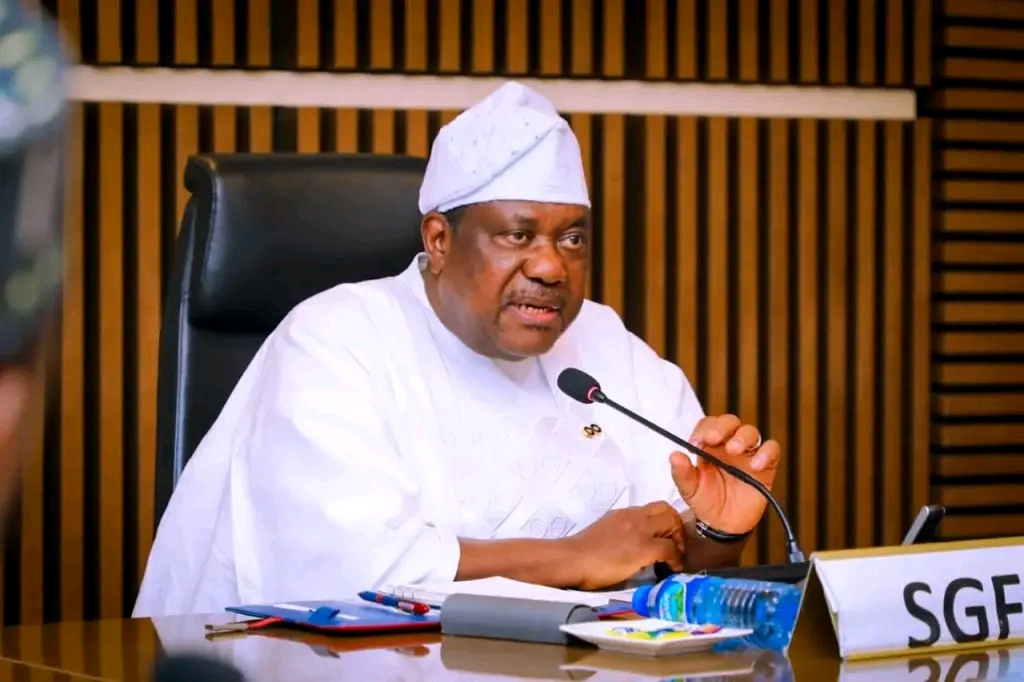
The Secretary to the Government of the Federation (SGF), Senator George Akume, made the position known on Monday during the board retreat of the National Salaries, Incomes and Wages Commission in Abuja.
Represented by the Permanent Secretary, General Services Office, Dr Abubakar Kana, Akume stressed the need for wage policies that reflect prevailing economic conditions while protecting workers’ welfare.
He noted that the government must consider workers’ legitimate expectations alongside available financial resources and broader national development priorities.
According to him, evidence-based wage policies, institutional modernisation and effective implementation of recommendations are essential to improving Nigeria’s public sector wage administration.
Akume also emphasised the importance of constructive engagement between the government, organised labour and other stakeholders to prevent avoidable industrial disputes.
He warned that ongoing economic reforms, rising public expectations and preparations for the 2027 general elections had made sustainable wage administration increasingly important.
NLC Maintains Demands for Better Wages, Lower Petrol Prices
The NLC, led by its president, Joe Ajaero, has maintained its two-week ultimatum to the Federal Government, demanding measures to ease workers’ economic hardship.
The ultimatum, which commenced on October 9, 2026, calls on the government to take steps to reduce petrol prices, begin negotiations for a new national minimum wage and implement outstanding agreements with organised labour.
Other demands include tax relief for workers, immediate wage awards and the implementation of agreements involving the Joint Health Sector Unions and Assembly of Healthcare Professionals, as well as the Joint Public Sector Negotiating Council.
The labour union argues that rising living costs, transportation expenses and inflation have continued to erode workers’ purchasing power.
Ajaero has warned that failure to address the demands could lead to further action by the labour movement.
Wage Commission Calls for Sustainable Reforms
The Chairman and Chief Executive Officer of the National Salaries, Incomes and Wages Commission, Junaidu Bindawa, said inflation, changing labour expectations and pressure on public finances require a more sustainable approach to salary administration.
He called for stronger research, reliable economic data, improved compensation management and closer collaboration between the commission’s board and management.
The commission’s Secretary, Olajumoke Okoya-Thomas, also advocated a shift from reactive salary reviews to a permanent, evidence-based wage governance system.
Meanwhile, the Head of the Civil Service of the Federation, Abel Enitan, highlighted workforce development, improved staff welfare and the digitisation of government operations as priorities for improving public service delivery.
The retreat brought together government officials, labour representatives and other stakeholders to discuss reforms aimed at strengthening wage administration and promoting sustainable public sector compensation.
As the NLC’s ultimatum approaches its deadline, attention remains focused on whether further engagement between the Federal Government and organised labour will produce a resolution and avert a potential industrial dispute.