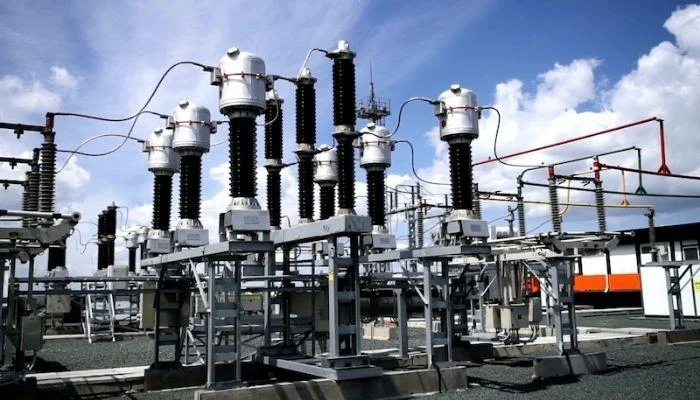
Electricity generation plunged on Monday, October 19, 2026, triggering power outages in parts of the country, while the Nigerian Independent System Operator (NISO) denied reports of a national grid collapse.
Nigeria’s electricity generation reportedly dropped sharply from approximately 3,840 megawatts (MW) at 7 a.m. to 476.70MW by 1 p.m. on Monday, October 19, 2026, raising fresh concerns about the stability of the country’s power supply.
According to data from the Nigerian Independent System Operator’s (NISO) real-time grid dashboard, the decline began around 12:40 p.m., with most electricity-generating plants reportedly recording zero output during the period.
Major power stations, including Egbin, Jebba, Shiroro and Kainji, reportedly recorded no generation, leaving only a handful of plants contributing electricity to the national grid.
The development coincided with reports of power outages in parts of the country, as electricity consumers experienced interruptions to supply.
The sharp decline represented a reduction of more than 3,300MW within a few hours, intensifying concerns among households, businesses and other electricity consumers already grappling with unreliable power supply.
Despite the significant drop in electricity generation, NISO reportedly dismissed claims that the national grid had collapsed, maintaining that no system-wide disturbance had occurred.
A senior official of the system operator, who spoke anonymously to Punch, suggested that the outages experienced in some locations could have resulted from localised issues rather than a nationwide grid failure.
The official explained that temporary interruptions and equipment trips in certain areas do not necessarily amount to a national grid collapse.
NISO reportedly directed its technical team to conduct a system check to identify any abnormalities.
The development comes amid persistent concerns over the reliability of Nigeria’s electricity infrastructure and recurring disruptions to power supply.
The Federal Government has pursued initiatives to strengthen the country’s electricity transmission infrastructure and improve the stability of the national grid.
Monday’s reported decline in generation has renewed questions about the resilience of Nigeria’s power infrastructure and its capacity to provide reliable electricity to homes and businesses.
Although NISO reportedly maintained that the incident did not constitute a national grid collapse, the sharp drop in generation highlights the need for further clarification regarding the cause of the disruption and its impact on electricity consumers.
Source: Punch Newspapers.