
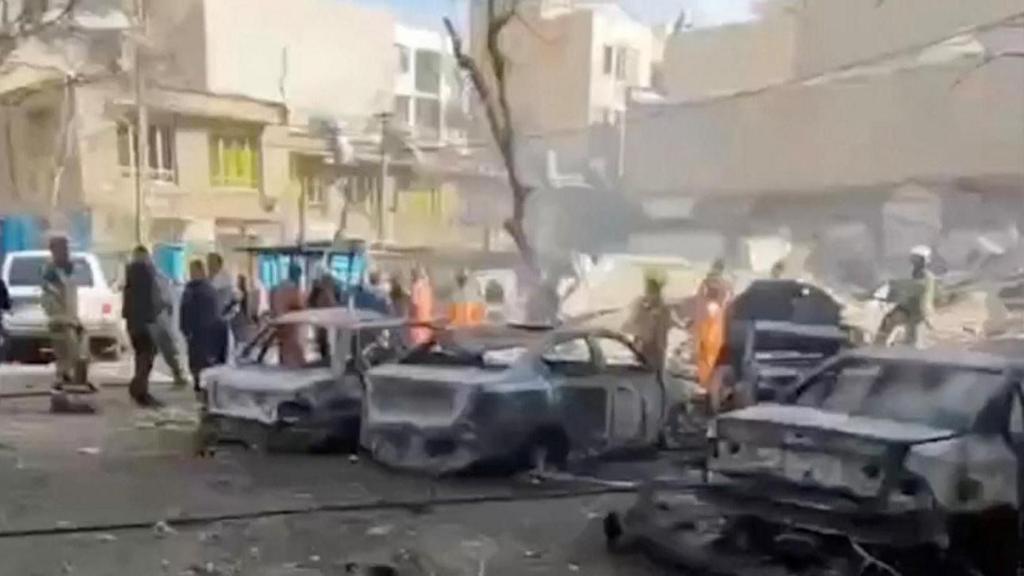
As airstrikes and missile exchanges escalate between the U.S., Israel, and Iran
As airstrikes and missile exchanges escalate between the U.S., Israel, and Iran, Abuja Affairs Blog breaks down key developments, regional implications, and global reactions.
In a major escalation of tensions in the Middle East, the United States and Israel have carried out coordinated military strikes on strategic targets in Iran, triggering swift retaliation and raising fears of a broader regional conflict. The developments, which unfolded rapidly, have dominated global headlines and intensified concerns over international security and stability.
Reports indicate that the strikes targeted Iranian military facilities believed to be linked to missile and weapons infrastructure. Explosions were reported in parts of Iran, including areas around the capital, Tehran, as air defense systems were activated. Israeli officials described the operation as a defensive move aimed at neutralizing perceived threats, while U.S. authorities framed their involvement as necessary to protect allied interests and regional security.
In response, Iran launched missile attacks targeting locations associated with U.S. forces and allied military installations in the Gulf region. Warning sirens were heard in several areas as tensions soared, with governments across the Middle East placing their security forces on high alert. The exchange of strikes marks one of the most serious confrontations involving these nations in recent years.
Global leaders have reacted with urgency, calling for restraint and immediate de-escalation. The United Nations has urged all parties to return to diplomatic dialogue to prevent further loss of life and instability. Analysts warn that continued hostilities could disrupt global oil markets, impact international trade routes, and draw additional countries into the crisis.
For Nigeria and the broader African continent, the unfolding situation carries potential economic implications, particularly concerning oil prices and global energy supply chains. Any prolonged conflict in the region could influence fuel costs, trade balances, and foreign policy discussions within African diplomatic circles.
As the situation continues to evolve, the international community remains watchful. The coming days will be critical in determining whether diplomatic efforts can ease tensions or whether the conflict will widen, further reshaping geopolitical dynamics across the Middle East and beyond.
Read also U.S. Lawmaker Pushes Bill on Nigeria’s Religious Freedom




3 thoughts on “Global Tensions Surge: U.S. and Israel Strike Iran — as Iran retaliate”
Comments are closed.