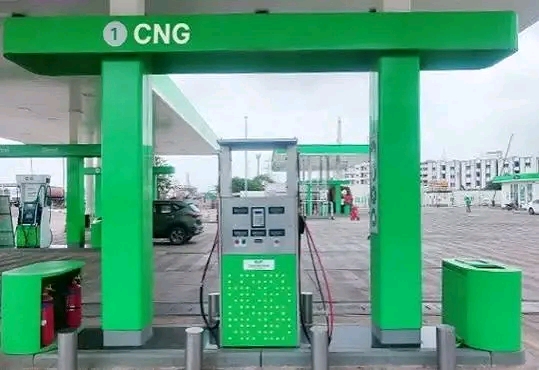

Federal Government identifies expensive vehicle conversion and limited refuelling infrastructure as major challenges hindering the nationwide adoption of Compressed Natural Gas.
The Federal Government has identified high vehicle conversion costs and inadequate refuelling stations as major obstacles slowing the adoption of Compressed Natural Gas (CNG) in Nigeria.
The challenges, according to the government, are affecting efforts to encourage motorists and transport operators to switch from petrol and diesel to CNG as a more affordable alternative.
Although the CNG initiative was introduced to reduce transportation costs following the removal of the petrol subsidy, the high initial investment required to convert vehicles has continued to discourage many prospective users.
The shortage of refuelling stations has also compounded the situation, leaving existing CNG users with limited access to gas and, in some locations, long queues at available facilities.
Industry stakeholders have called for increased government intervention, improved infrastructure and affordable financing arrangements to make vehicle conversion more accessible.
They have also emphasised the need for stronger collaboration among government agencies, transport unions, petroleum marketers, investors and financial institutions to address the challenges.
The Federal Government’s CNG initiative is part of broader efforts to diversify Nigeria’s energy sources, reduce dependence on petrol and provide more affordable transportation alternatives.
Addressing conversion costs, expanding refuelling infrastructure and ensuring consistent gas supply will be critical to achieving wider adoption of CNG across the country.