
Federal Government unveils 2026–2030 framework targeting alcohol-related harm, illicit products, underage access and unsafe consumption while supporting sustainable industry growth.
The Federal Government has launched the Nigeria Alcohol Policy and Multisectoral Implementation Plan (2026–2030), introducing a coordinated national framework aimed at promoting responsible alcohol consumption, reducing alcohol-related harm and supporting sustainable growth in the alcohol industry.
The policy was launched in Abuja on Friday, August 28, with the government stressing the need for stronger collaboration among the health, transport, security, trade and other relevant sectors.
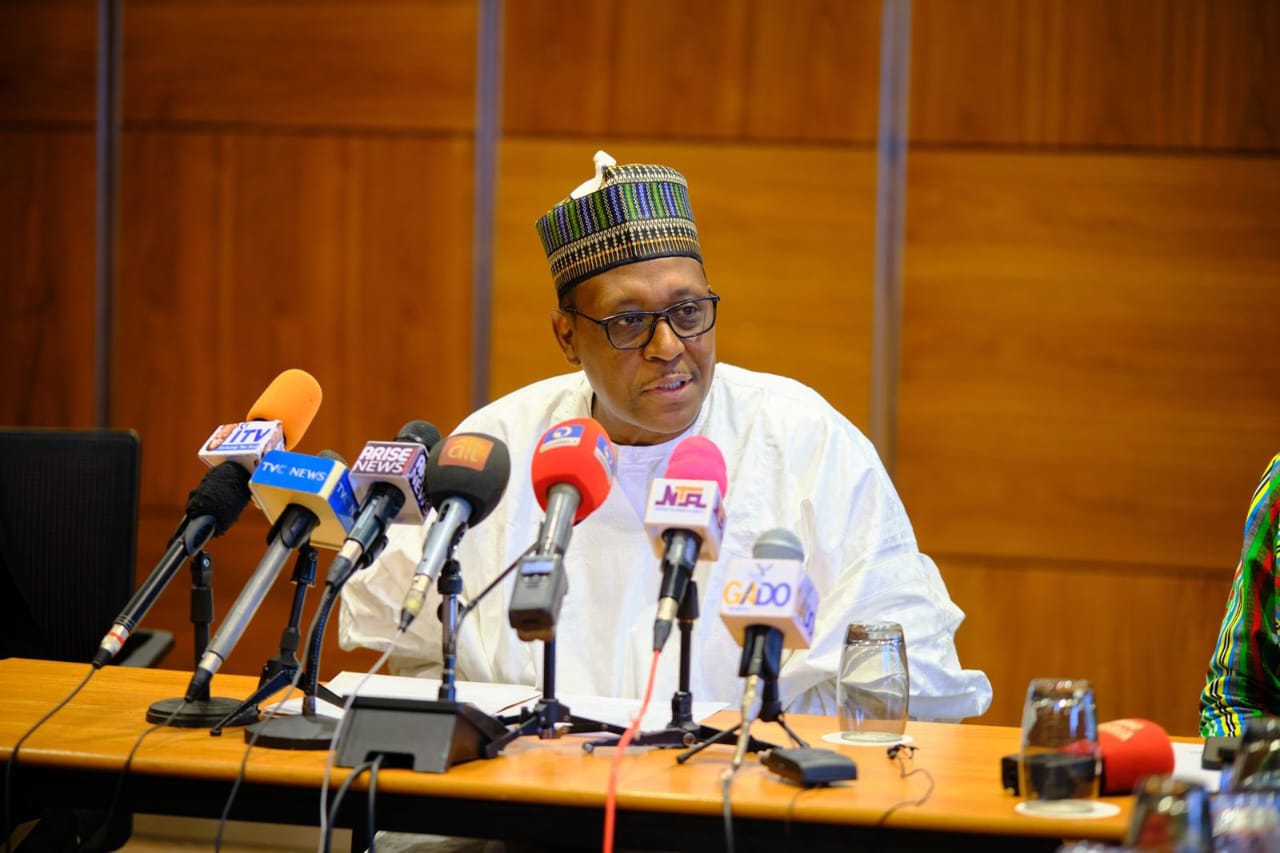
Speaking at the event, the Coordinating Minister of Health and Social Welfare, Prof. Muhammad Ali Pate, represented by the Permanent Secretary, Daju Kachollom, said alcohol-related harm extends beyond the health sector, affecting public health, economic development, public safety and governance.
Under the framework, government agencies will strengthen public awareness campaigns, promote responsible marketing, enforce age and access restrictions, and improve access to screening, treatment and rehabilitation services.
The policy also seeks to improve safety, quality standards and traceability across the alcohol value chain.
Prof. Pate cited World Health Organization data showing that Nigeria’s alcohol consumption stood at 3.2 litres of pure alcohol per person aged 15 and above in 2024.
He also referenced Federal Road Safety Corps data, which recorded 9,570 road traffic crashes and 5,421 fatalities nationwide in 2024, noting that driving under the influence remains a contributing factor to road accidents.
Another major concern highlighted was the growing illicit alcohol market. Industry estimates based on a 2024 Euromonitor survey indicate that illicit spirits and wines account for about 40 per cent of the market, resulting in estimated annual government revenue losses exceeding ₦428 billion.
The Director-General of the National Agency for Food and Drug Administration and Control (NAFDAC), Prof. Mojisola Adeyeye, commended the Federal Government for providing a clear policy direction on alcohol regulation.
She reaffirmed NAFDAC’s commitment to science-based regulation, surveillance and stakeholder engagement, while reiterating the agency’s ban on the sale of alcohol in sachets and containers below 200 millilitres.
The launch attracted representatives of key government institutions, including the Ministries of Finance and Industry, Trade and Investment, Nigeria Customs Service, Federal Road Safety Corps, National Drug Law Enforcement Agency, Nigerian Correctional Service and the Association of Local Governments of Nigeria, among others.
The policy aligns with President Bola Tinubu’s Renewed Hope Agenda, the Nigeria Health Sector Renewal Investment Initiative, African Union Agenda 2063, the Sustainable Development Goals and relevant World Health Organization frameworks.
The launch comes barely a month after NAFDAC commenced a nationwide enforcement exercise targeting alcoholic beverages packaged in sachets and PET bottles below 200ml. The exercise covers the six geopolitical zones and includes the closure of facilities found violating the directive.
Meanwhile, Nigeria’s formal alcohol market remains economically significant. Financial results from Nigerian Breweries, International Breweries and Guinness Nigeria indicate that Nigerians spent approximately ₦1.41 trillion on beer, malt and spirits in the first half of 2026.
The new policy is expected to balance public health protection, responsible alcohol consumption, effective regulation and sustainable growth of Nigeria’s alcohol industry.