Global shipping crisis deepens as rising Gulf hostilities disrupt vital oil and trade routes
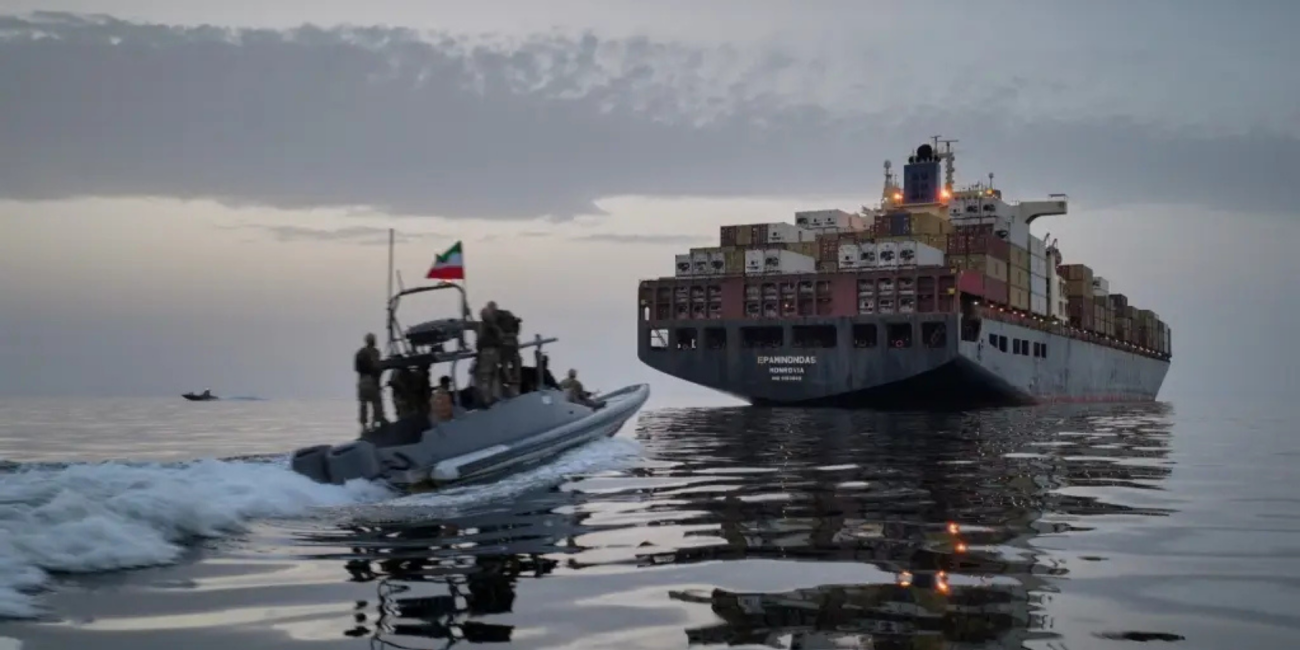
Thousands of commercial sailors and over 1,500 ships have reportedly been stranded across the Gulf region following renewed hostilities around the Strait of Hormuz, one of the world’s most critical maritime trade routes.
According to emerging international reports, approximately 20,000 crew members remain trapped aboard vessels unable to safely navigate through the increasingly volatile waters as tensions between Iran, the United States and allied forces continue to intensify.
The Strait of Hormuz serves as a strategic global shipping corridor through which a significant portion of the world’s oil and gas exports passes daily. Analysts warn that any prolonged disruption around the waterway could trigger severe consequences for global energy prices, international trade and maritime operations.
Several shipping companies have reportedly suspended or delayed movement through the area over fears of possible attacks and military confrontations. Reports also indicate that some vessels have either sustained damage or faced restricted passage amid the escalating crisis.
International maritime agencies have raised concerns over the welfare of stranded sailors, many of whom have remained at sea for extended periods under uncertain and tense conditions.
Global leaders are now intensifying diplomatic efforts to ease tensions and restore safe navigation across the Gulf region in order to prevent a wider economic and humanitarian crisis.
The latest development has continued to spark concerns among global investors and energy markets, with experts warning that instability in the Strait of Hormuz could have far-reaching effects on economies around the world.