Atiku’s campaign council faults Kwankwaso’s call for Atiku Abubakar to step aside for Peter Obi, alleging the move could deepen divisions within the opposition ahead of the 2027 presidential election.
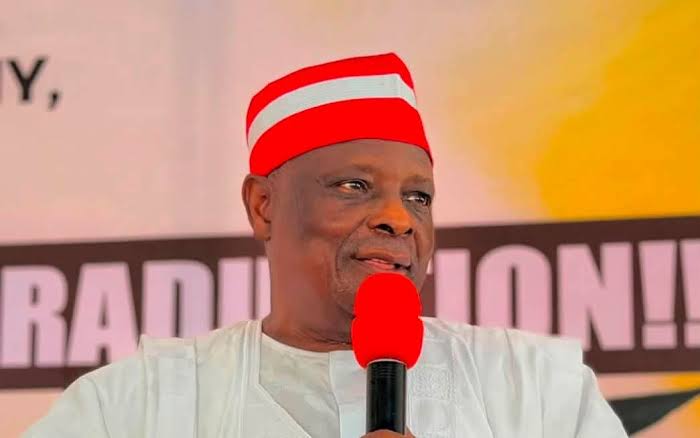
The African Democratic Congress (ADC) Presidential Campaign Council has accused former Kano State Governor, Senator Rabiu Musa Kwankwaso, of advancing President Bola Ahmed Tinubu’s political interests following his call for former Vice-President Atiku Abubakar to withdraw from the 2027 presidential race in favour of Peter Obi.
The council described Kwankwaso’s position as self-serving, alleging that his intervention could weaken opposition unity and benefit the ruling All Progressives Congress (APC) ahead of the next general election.
The Director of Media and Publicity of the ADC Presidential Campaign Council, Kola Ologbondiyan, reportedly made the allegations in a statement on Friday, October 16, while reacting to Kwankwaso’s interview on Channels Television.
Ologbondiyan questioned why the former Kano governor was calling on opposition leaders to step aside rather than concentrating on challenging the Tinubu administration over the country’s economic and security challenges.
According to him, issues such as economic hardship, rising living costs, poverty and insecurity would be central to Nigerians’ decisions in the 2027 elections.
The ADC campaign council further alleged that Kwankwaso’s call for Atiku to step down could create divisions among opposition parties and undermine efforts to build a united challenge against the APC.
Ologbondiyan also suggested that Kwankwaso’s position might be influenced by his long-term political ambitions, including future presidential calculations beyond the 2027 election.
However, these claims represent the ADC campaign council’s interpretation of Kwankwaso’s political position and do not independently establish that he is working for President Tinubu.
The council also dismissed suggestions that Kwankwaso’s support would be indispensable to any presidential candidate seeking electoral success in Kano State, his political stronghold.
To support its argument, Ologbondiyan cited the 2003 and 2007 presidential elections, arguing that former President Muhammadu Buhari secured victories in Kano without Kwankwaso’s backing.
He maintained that Atiku could also make significant inroads into the state during the 2027 presidential election, regardless of Kwankwaso’s political alignment.
Kwankwaso, who has aligned with the Nigeria Democratic Congress (NDC) as Peter Obi’s running mate, has urged Atiku to withdraw from the presidential contest in favour of Obi.
In explaining his position, Kwankwaso cited considerations surrounding Atiku’s age and health, as well as the need for a different political arrangement ahead of the 2027 election.
The intervention has intensified debate over opposition unity, candidate selection and the possibility of political cooperation ahead of the next general election.
The latest exchange highlights the disagreements emerging among opposition figures as parties and candidates position themselves for the 2027 presidential election.
Whether the disagreements will lead to further divisions or encourage negotiations among opposition groups remains to be seen, as political stakeholders continue to weigh their options ahead of the polls.
Abuja Affairs will continue to monitor developments as political parties and key stakeholders shape their strategies ahead of the 2027 general elections.