
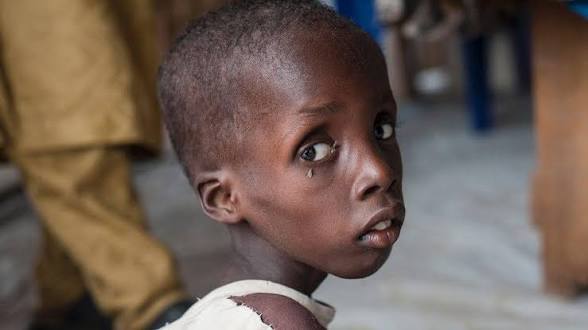
Acute Malnutrition Crisis Deepens as 425,634 Children Receive Treatment Across Seven Northern States in 2025
The child nutrition crisis in Northern Nigeria has deepened, with at least 185,502 more children treated for acute malnutrition in 2025 across seven northern states compared with the previous two years, according to a report by PUNCH Healthwise.
The report revealed that a total of 425,634 children received treatment for acute malnutrition in 2025, highlighting the growing scale of the nutrition emergency affecting vulnerable children across the region.
The figures were contained in data reviewed by PUNCH Healthwise, with the worsening situation linked to several factors, including insecurity, displacement, food insecurity, disease outbreaks, economic hardship and declining humanitarian funding.
The development has raised renewed concerns over the ability of vulnerable families to access adequate food and essential healthcare services, particularly in communities affected by conflict and displacement.
Northern Nigeria has continued to bear a disproportionate burden of child malnutrition in the country. UNICEF notes that the northern states are the most affected by both stunting and wasting, while malnutrition remains a significant public health and development challenge.
According to UNICEF, an estimated two million children in Nigeria suffer from severe acute malnutrition, with only a fraction currently reached with treatment.
The consequences extend beyond immediate health concerns. Severe and prolonged malnutrition can affect children’s physical growth, cognitive development, educational performance and future productivity.
The latest figures therefore underscore the need for sustained investment in nutrition programmes, primary healthcare, food security and social protection, particularly in communities facing insecurity and humanitarian challenges.
Health and humanitarian stakeholders have also stressed the importance of maintaining access to life-saving nutrition services as funding pressures threaten programmes supporting vulnerable children and families.
The rising number of cases has further highlighted the need for stronger collaboration among the Federal Government, state governments, development partners, humanitarian organisations and local communities to prevent more children from falling into severe malnutrition.
With hundreds of thousands of children already requiring treatment, the latest figures present another urgent reminder that tackling child malnutrition requires not only emergency intervention but also long-term measures addressing poverty, food insecurity, insecurity and access to healthcare.
Source: PUNCH Healthwise; UNICEF Nigeria.