Trump government says South Africa failed to address concerns over the treatment of white Afrikaners, while health experts warn the move could severely impact HIV/AIDS programs serving millions.
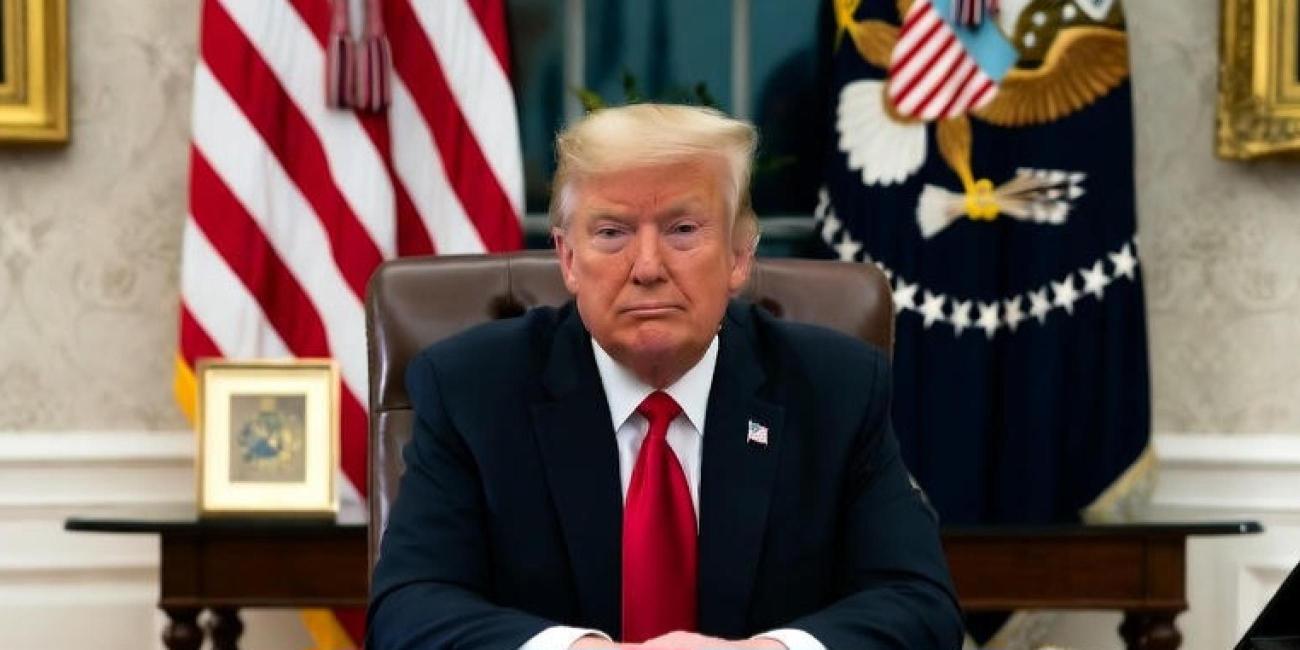
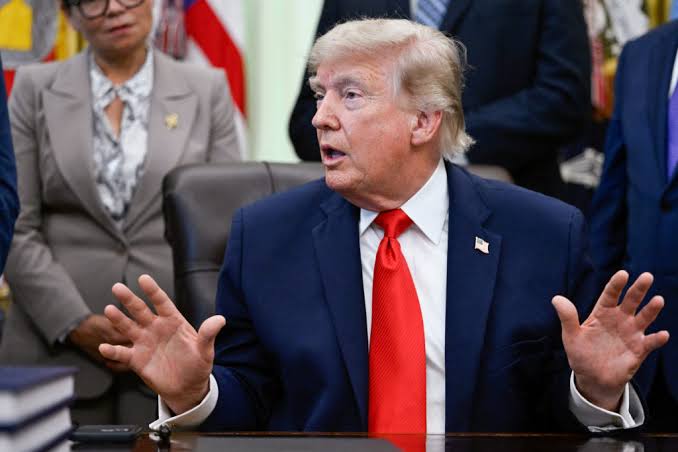
The administration of U.S. President Donald Trump has moved to phase out HIV/AIDS funding to South Africa under the President’s Emergency Plan for AIDS Relief (PEPFAR), citing what it describes as South Africa’s failure to address concerns regarding the protection of white citizens, particularly Afrikaners.
According to reports, U.S. officials said the decision followed repeated warnings to the South African government that continued funding would depend on progress in addressing concerns raised by the Trump administration over alleged discrimination and violence against white South Africans.
The funding reduction marks a significant shift in U.S.–South Africa relations and could have far-reaching consequences for the country’s HIV response. South Africa has the world’s largest HIV-positive population, with nearly eight million people living with the virus. PEPFAR has provided billions of dollars in support to the country since its launch in 2003 and has played a major role in expanding treatment, prevention, and testing services.
Health advocates and international organizations have expressed concern that the withdrawal of Trump administration support could disrupt healthcare services, lead to job losses among healthcare workers, and undermine years of progress in the fight against HIV/AIDS. Experts warn that reduced funding may affect access to lifesaving medications and prevention programs for vulnerable communities.
South African officials have rejected accusations of systemic discrimination against white citizens, maintaining that current policies are aimed at addressing inequalities created during the apartheid era. The government has also reiterated its commitment to sustaining HIV services despite growing funding challenges.
The latest development is expected to further strain diplomatic relations between Washington and Pretoria, adding to existing tensions over domestic and international policy issues. Observers say the decision could have significant implications not only for public health but also for future cooperation between the United States and South Africa.
Read also South Africa Mourns as 13 School Pupils Die in Tragic Bus Crash