FCT and the Question of Representation: Growing Concerns Over Abuja’s Political Voice
Residents of the Federal Capital Territory (FCT) have renewed concerns over the quality of political representation in Abuja, amid growing criticism of elected officials tasked with speaking for the territory at the National Assembly.
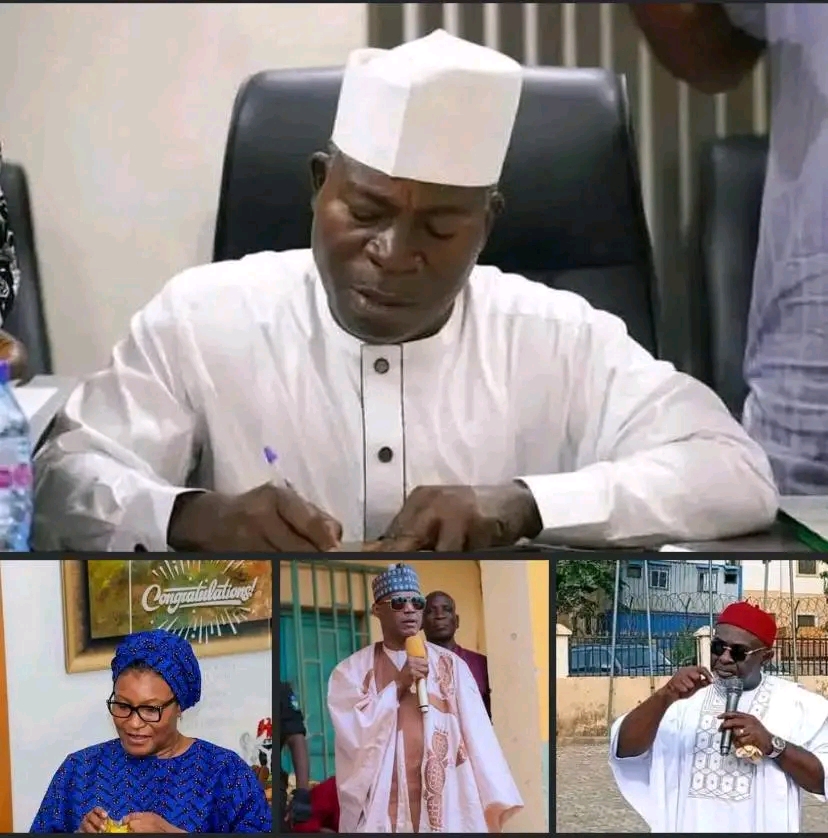
Despite having one senator and two members of the House of Representatives, critics argue that representation in the FCT has largely fallen short of expectations. Observers say many lawmakers have failed to maintain strong engagement with constituents or actively push policies that address the unique challenges facing Abuja residents.
An opinion piece by Etim Asukwo Etimma highlights what it describes as a widening gap between political office holders and the people they represent, noting that effective leadership goes beyond occupying office and requires visibility, advocacy, and consistent grassroots engagement.
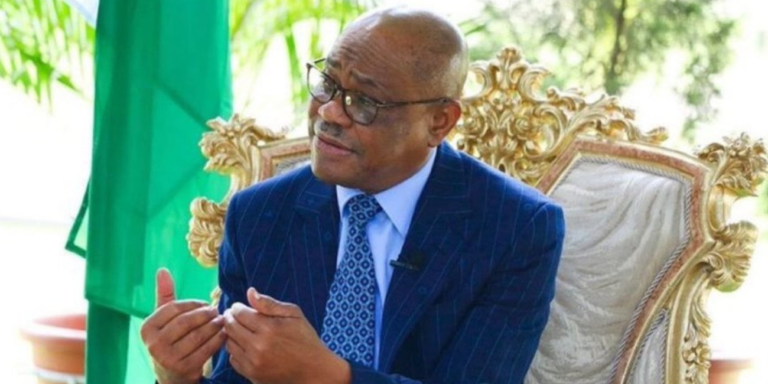
The situation has once again drawn attention to the peculiar political structure of the FCT, which lacks an elected governor and state assembly, unlike Nigeria’s 36 states. Instead, Abuja is administered by a minister appointed by the President, a system many residents consider undemocratic.
Political analysts say the debate over representation in the FCT underscores long-standing demands for greater political inclusion, constitutional reforms, and leadership that truly reflects the interests of Abuja’s diverse population.
As conversations around governance and accountability continue, stakeholders insist that meaningful representation remains critical to addressing development, infrastructure, and social concerns in Nigeria’s capital.
Read also FCT Indigenes to Honour Wike With Infrastructure Award