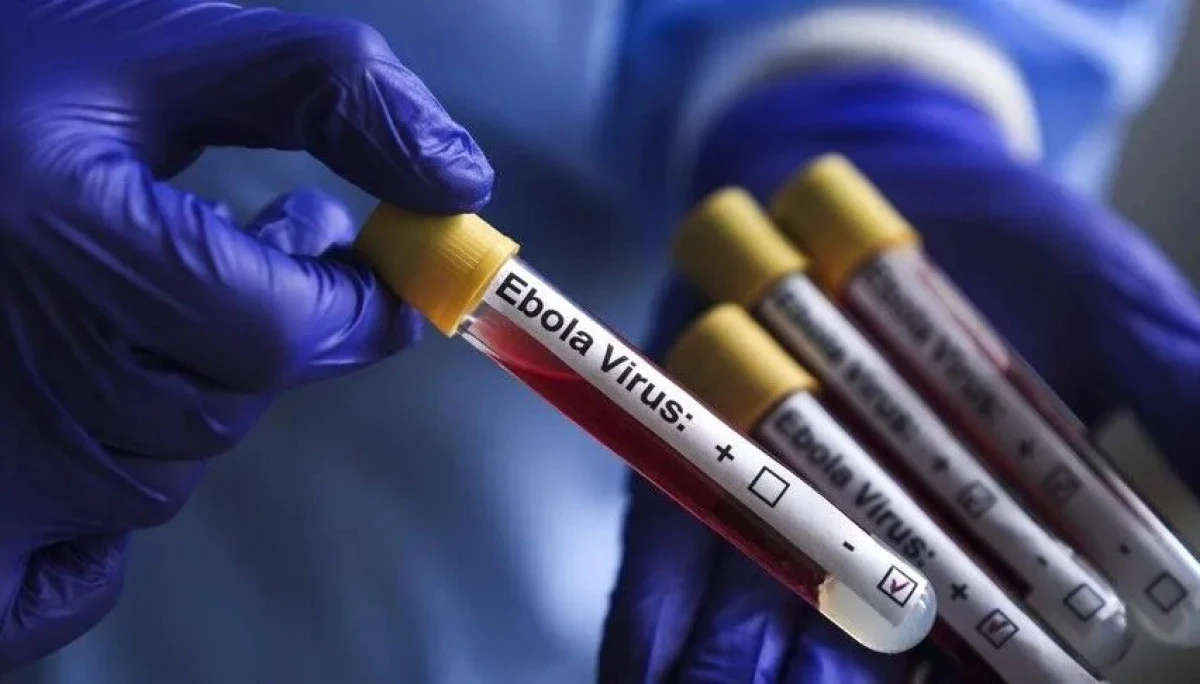
Outbreak caused by the Bundibugyo virus has spread across 60 health zones in six provinces, with authorities intensifying containment efforts
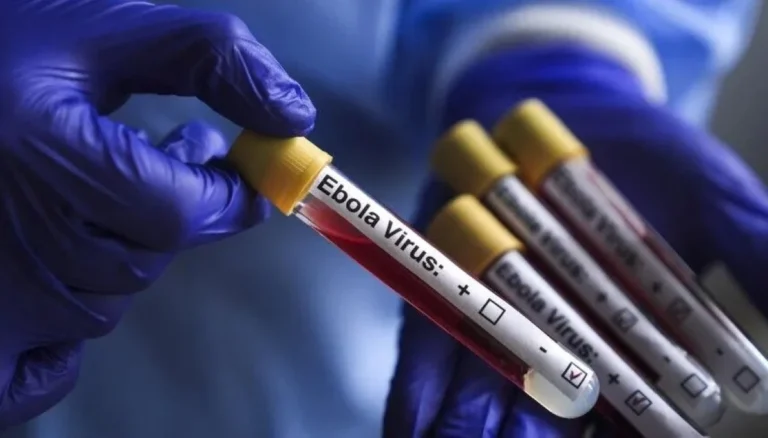
The Democratic Republic of Congo (DRC) has recorded more than 6,000 confirmed Ebola cases, with the death toll approaching 3,000 as health authorities intensify efforts to contain the expanding outbreak.
According to the latest figures from the Congolese Health Ministry, the country has recorded 6,041 cases and 2,911 deaths since the outbreak was declared in mid-May 2026. At least 1,366 people have recovered, while 619 patients remain in isolation or under hospital care.
The outbreak, caused by the Bundibugyo virus, has spread across 60 health zones in six provinces — Haut-Uele, Ituri, North Kivu, South Kivu, Bas-Uele and Tshopo.
Response efforts are currently concentrated in areas where active transmission remains high, with particular attention being paid to Ituri Province, which accounts for the majority of reported cases and affected health zones.
The World Health Organization (WHO) has described the recent rise in cases and the wider geographical spread as a substantial increase in the scale of the outbreak.
Authorities have intensified Ebola vaccination efforts, particularly among healthcare workers and other frontline personnel, while health agencies continue to strengthen surveillance, isolation, treatment and community engagement measures.
The outbreak has also renewed attention on the need for vaccines specifically targeting the Bundibugyo virus. The Coalition for Epidemic Preparedness Innovations (CEPI) recently announced a $16.5 million partnership with African biopharmaceutical company Minapharm Group to advance development of a Bundibugyo vaccine candidate.
With cases continuing to rise and transmission reported across multiple provinces, health authorities and international partners are working to strengthen containment measures and prevent further spread of the disease.