
From Pai to Gomani, Kwali and Zuba, Senator Aduda’s royal consultations highlight a growing atmosphere of political collaboration, with APC and PDP stakeholders engaging under the Rainbow Coalition.
Senator Philip Tanimu Aduda has continued his Chiefdoms Tour across the Federal Capital Territory, arriving at Etsu Kwali Chiefdom in Kwali Area Council for a royal consultation with the traditional institution.
Today’s engagements also include visits to the Aguma of Gomani, Sarkin Pai and Agora of Zuba, as the Senator extends his consultations to traditional rulers and stakeholders across different parts of the FCT.
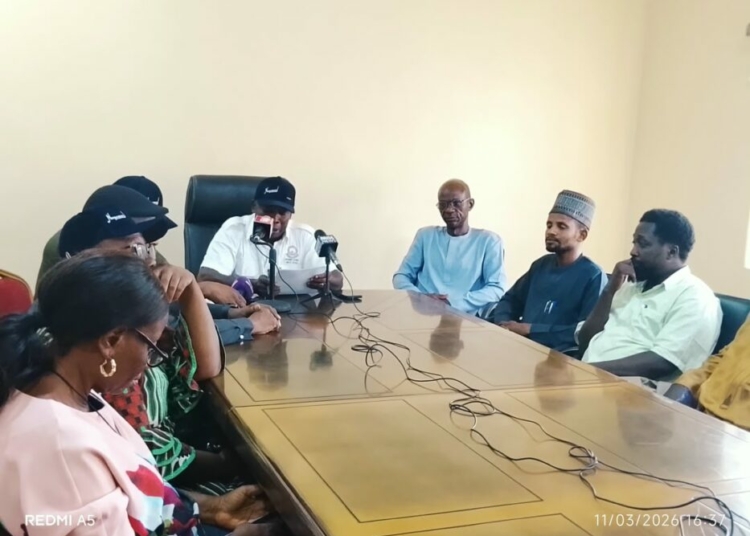
Beyond the traditional engagements, one notable feature of the tour has been the atmosphere of political unity and cooperation among stakeholders from different political backgrounds under the Rainbow Coalition.
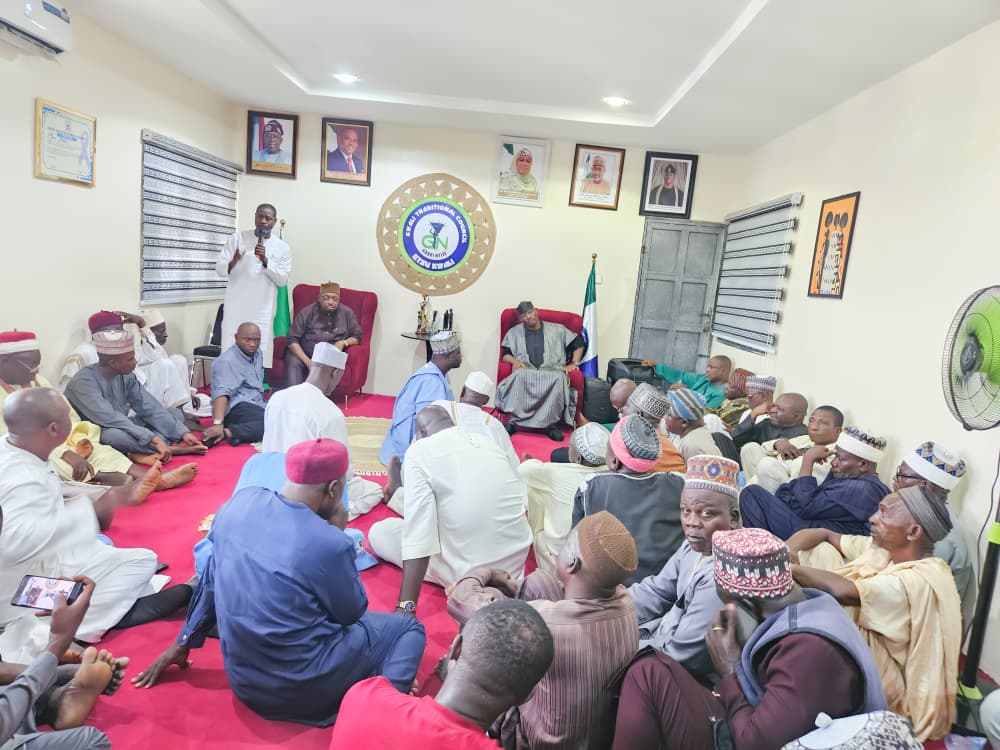

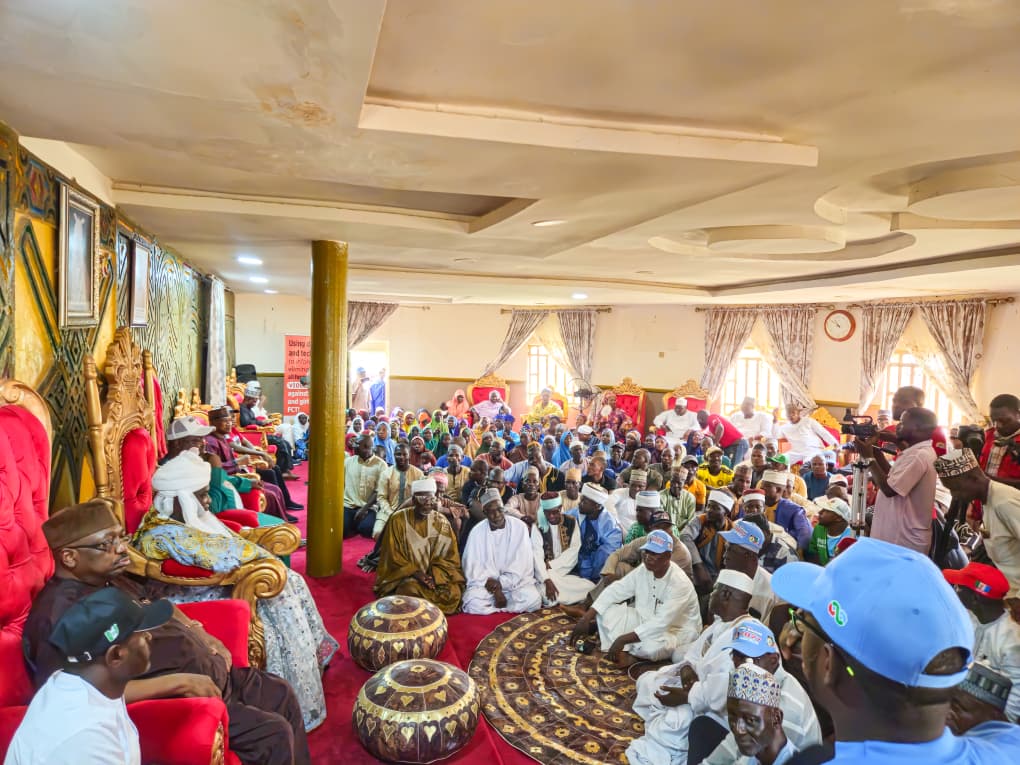
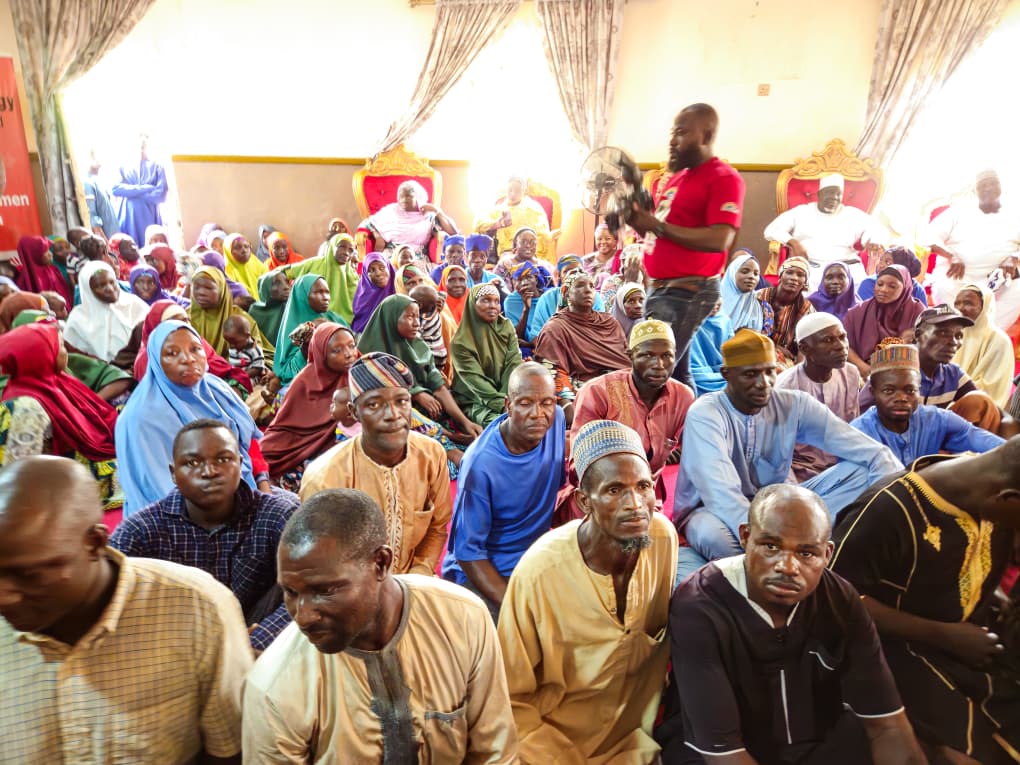
The visits have brought together political stakeholders from the All Progressives Congress (APC) and the Peoples Democratic Party (PDP), with members of both parties participating in the engagements in an atmosphere of cordiality, mutual respect and shared purpose.
Interestingly, the gathering has also attracted some political candidates who contested in the recent Area Council elections, further reflecting the participation of political actors across party lines.
The development presents a different picture of political engagement in the FCT, where party affiliations have not prevented stakeholders from coming together for consultations and interactions with traditional institutions.
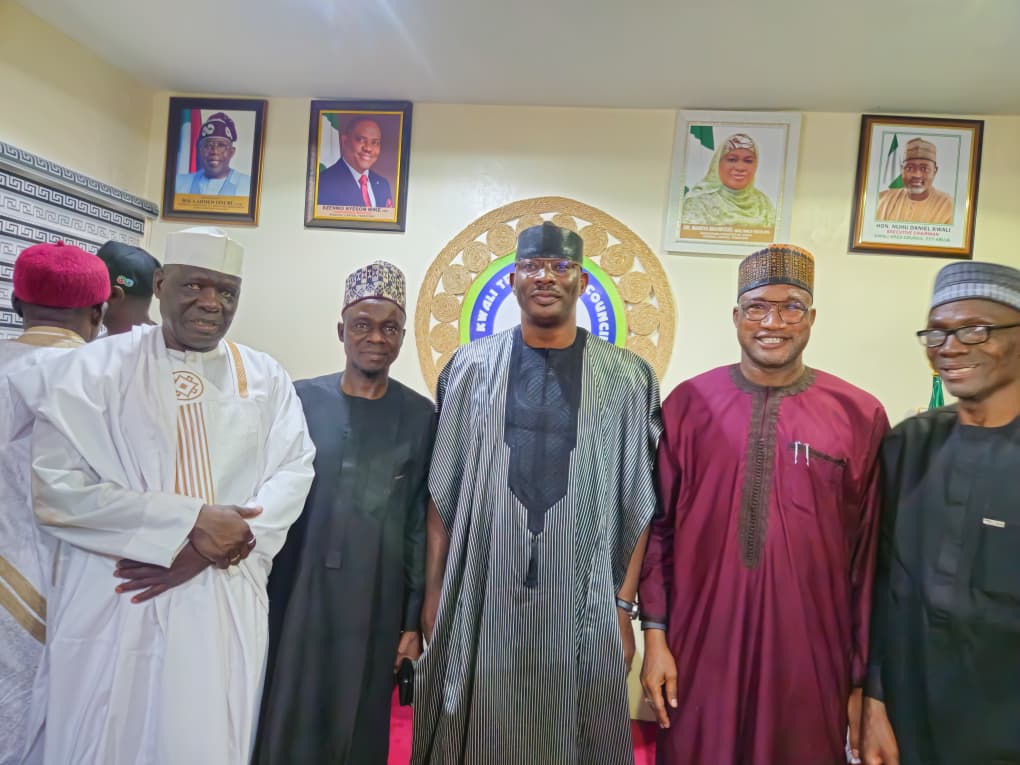

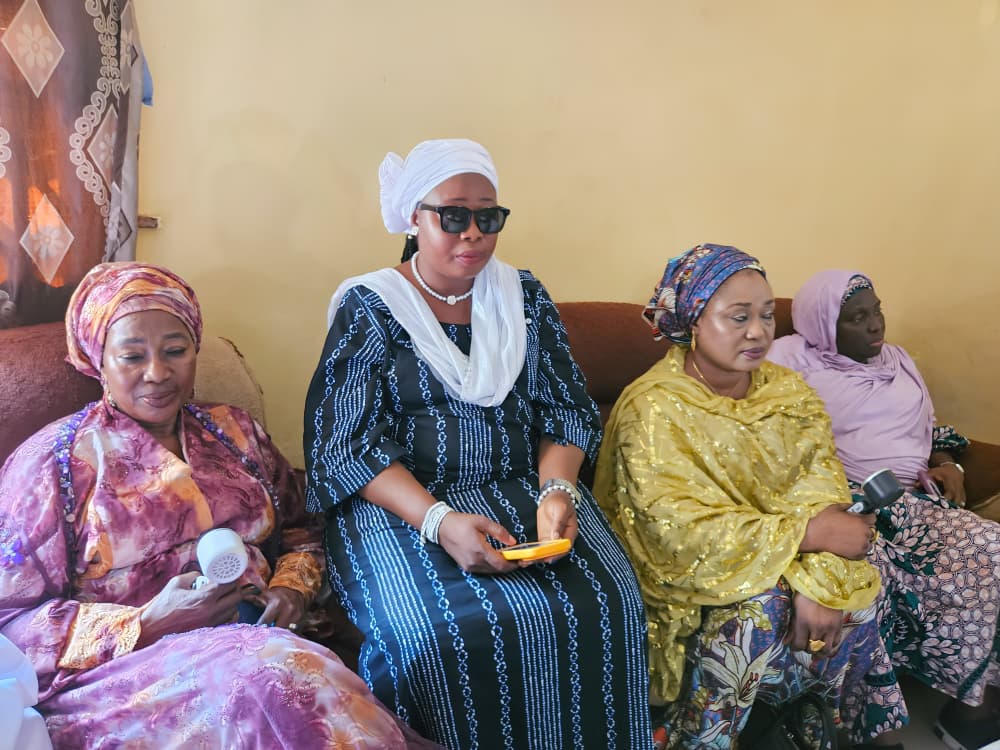
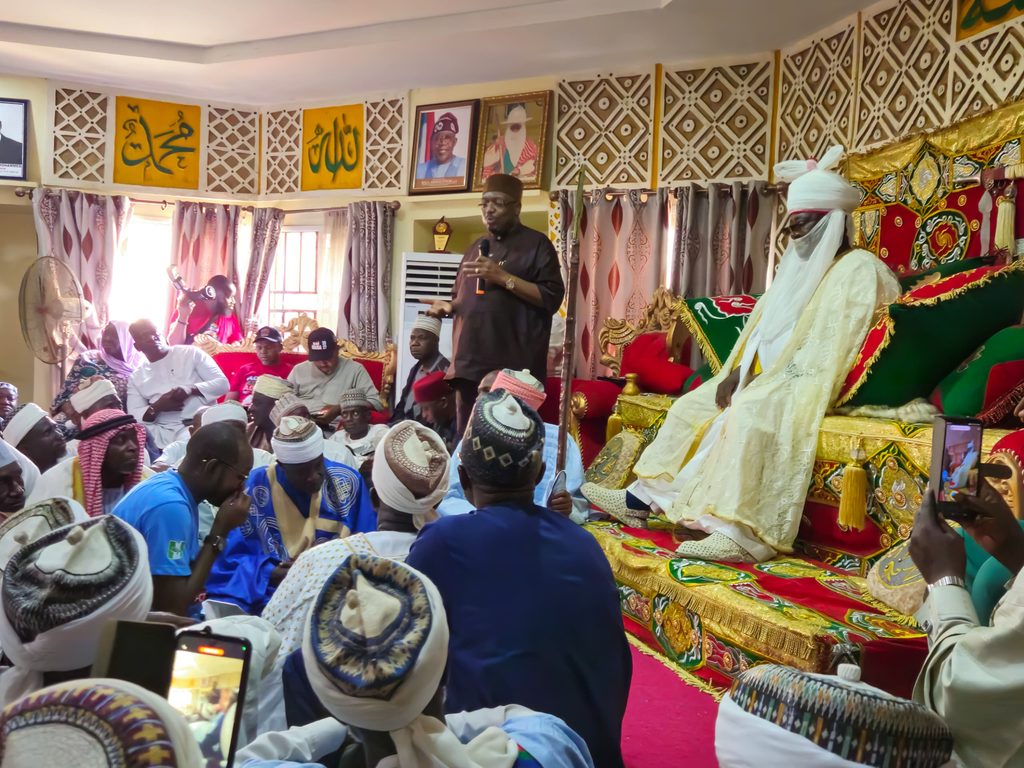
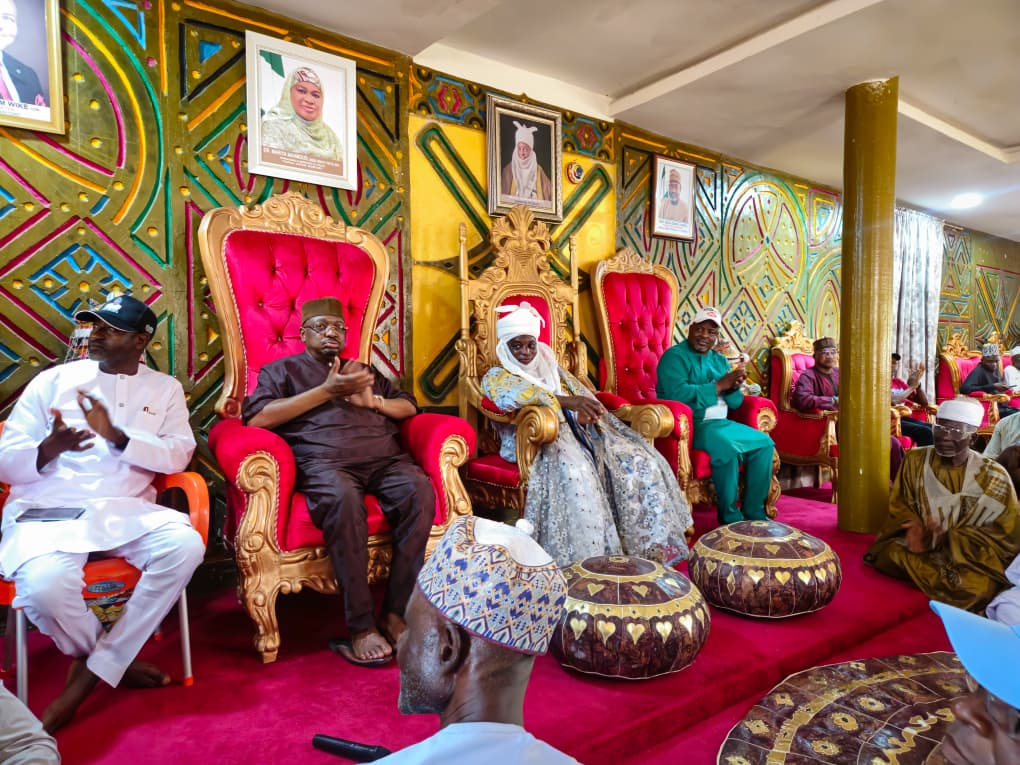
The Rainbow Coalition, as demonstrated through these engagements, reflects an approach to political collaboration that accommodates different interests and backgrounds, rather than allowing party rivalry to define relationships among stakeholders.
Thursday’s engagements saw Senator Aduda visit the Etsu Yaba, Agabe of Gwargwada, Sa Rubochiyi of Rubochi, Ona of Abaji and Etsu Wako, before continuing the tour today with the traditional institutions in Pai, Gomani, Kwali and Zuba.
The Chiefdoms Tour continues to provide an avenue for engagement with traditional rulers and community stakeholders on issues relating to grassroots development, peace, cultural preservation and the role of traditional institutions in the FCT.