Civil society groups raise concerns over electronic transmission of results as Nigeria prepares for 2027 elections
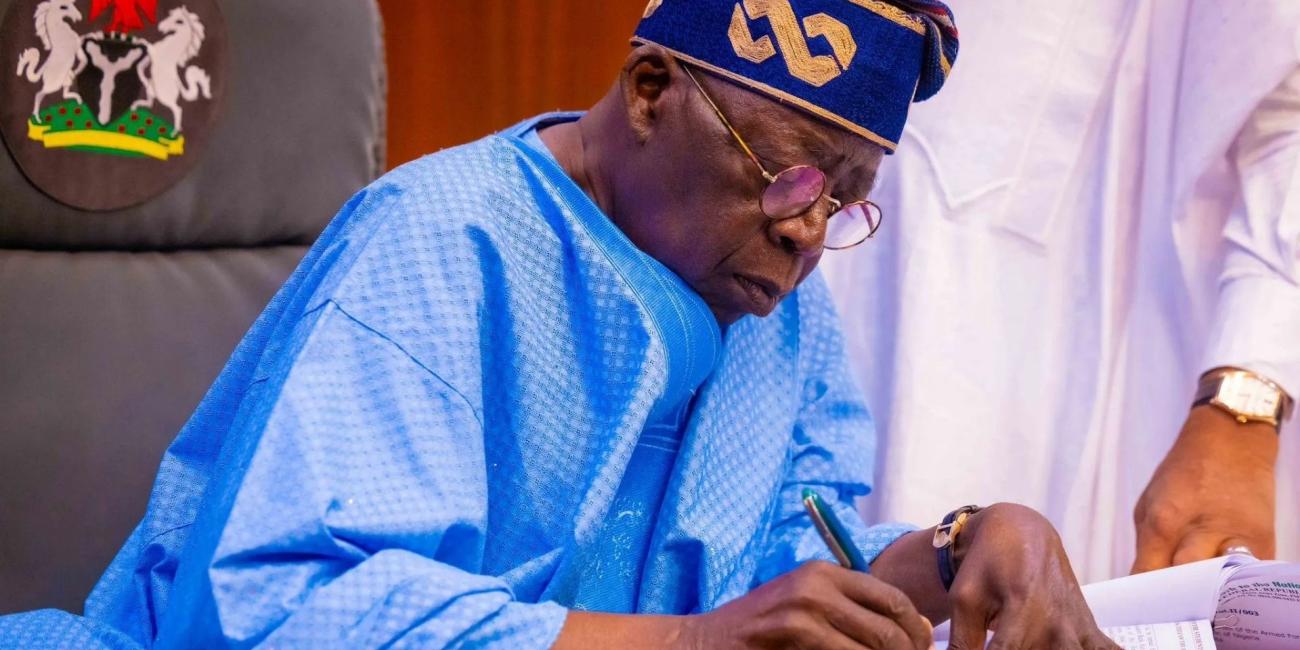
President Tinubu has signed the amended Electoral Bill into law despite widespread protests and mounting pressure from civil society organizations and opposition figures across.
The signing followed the passage of the bill by the igniting fresh national debate over key provisions, particularly those relating to the electronic transmission of election results.
At the centre of the controversy is the role of the (INEC) in transmitting election results electronically. Advocacy groups had demanded mandatory real-time electronic transmission directly from polling units to enhance transparency and reduce manipulation. However, critics argue that the new law grants INEC discretionary powers rather than making electronic transmission compulsory, while still allowing manual collation under certain conditions.
The development sparked protests in parts of , where activists gathered around the National Assembly complex, calling for stronger electoral safeguards ahead of the 2027 general elections.
Several civil society organisations described the assent as disappointing, warning that the amendments could weaken electoral credibility. Some legal experts and former election officials had earlier urged the President to withhold assent and allow further review of contentious clauses.
Supporters of the amendment, however, argue that the changes are practical, noting that network challenges in remote areas make compulsory electronic transmission difficult. They insist the amended law provides flexibility while maintaining the integrity of the electoral process as preparations begin for the 2027 elections.

Read also Tinubu Signs Controversial Electoral Bill Into Law Amid Protests